Volatility in global raw material markets has placed industrial procurement managers under significant pressure, particularly when evaluating the grating steel price for large-scale infrastructure projects. As steel alloys fluctuate based on energy costs and trade tariffs, the cost-to-performance ratio of industrial flooring becomes a critical engineering variable.
The challenge lies not only in the nominal cost per ton but in the total lifecycle expenditure, where material grade, coating durability, and load-bearing capacity dictate the long-term ROI. For engineers in the metal structures industry, balancing immediate budgetary constraints with the necessity of safety standards like ANSI/NAAMM or BS4592 is a constant optimization problem.
This analysis examines the structural drivers of pricing in the steel grating sector and provides a framework for buyers to evaluate value beyond the base price. By understanding the interplay between manufacturing processes and material specifications, stakeholders can make informed decisions that ensure both structural integrity and fiscal efficiency.


The pricing of steel grating is primarily governed by the mass of the raw steel consumed and the complexity of the fabrication process. Factors such as the bearing bar size, pitch, and the method of locking (welded vs. pressed) significantly alter the labor and energy inputs required.
Furthermore, surface treatments—ranging from basic hot-dip galvanizing to specialized PVC anti-corrosion coatings—add a layer of cost that is directly proportional to the expected environmental severity of the installation site.
From an engineering perspective, the relationship between a product's technical parameters and its price is not linear. For instance, increasing the thickness of a bearing bar to meet a higher load-bearing requirement increases the weight, which naturally elevates the base cost. However, the real value is found in the precision of the layout and the adherence to international standards such as YB/T4001.1-2007 or the American ANSI/NAAMM (MBG531-88).
Poorly manufactured grating may offer a lower initial quote, but deficiencies in weld integrity or inconsistent galvanizing thickness often lead to premature structural failure. This necessitates frequent replacements, effectively increasing the "true cost" of the project over a five-to-ten-year horizon.
Therefore, technical procurement should focus on "cost per unit of load capacity" rather than "cost per kilogram." This shift in evaluation allows engineers to justify the investment in higher-grade steel or more precise CAD-designed layouts that optimize material use without compromising safety.
The selection between carbon steel, stainless steel, and aluminum gratings creates distinct pricing tiers based on the chemical properties of the material and its resistance to oxidation.
To mitigate these risks, manufacturers employ advanced surface treatments. Hot-dip galvanizing remains the industry standard for balancing cost and protection, but for extreme conditions, specialized coatings are integrated to extend the service life and stabilize the long-term asset value.
When comparing different grating solutions, it is essential to use a normalized scoring system to evaluate their suitability for specific industrial roles. This prevents the common error of choosing the cheapest option for a high-stress application.
The following assessment evaluates common grating materials based on their relative engineering performance, considering factors like strength-to-weight ratio and corrosion resistance.
Typical deployment scenarios vary from light-duty pedestrian walkways in municipal parks to heavy-duty industrial platforms in oil refineries. In light-duty settings, the primary concern is often visual appeal and basic safety, allowing for thinner specifications and lower costs. However, in heavy-industrial environments, the risk of structural deflection under load requires higher-density grating and more robust anchoring systems.
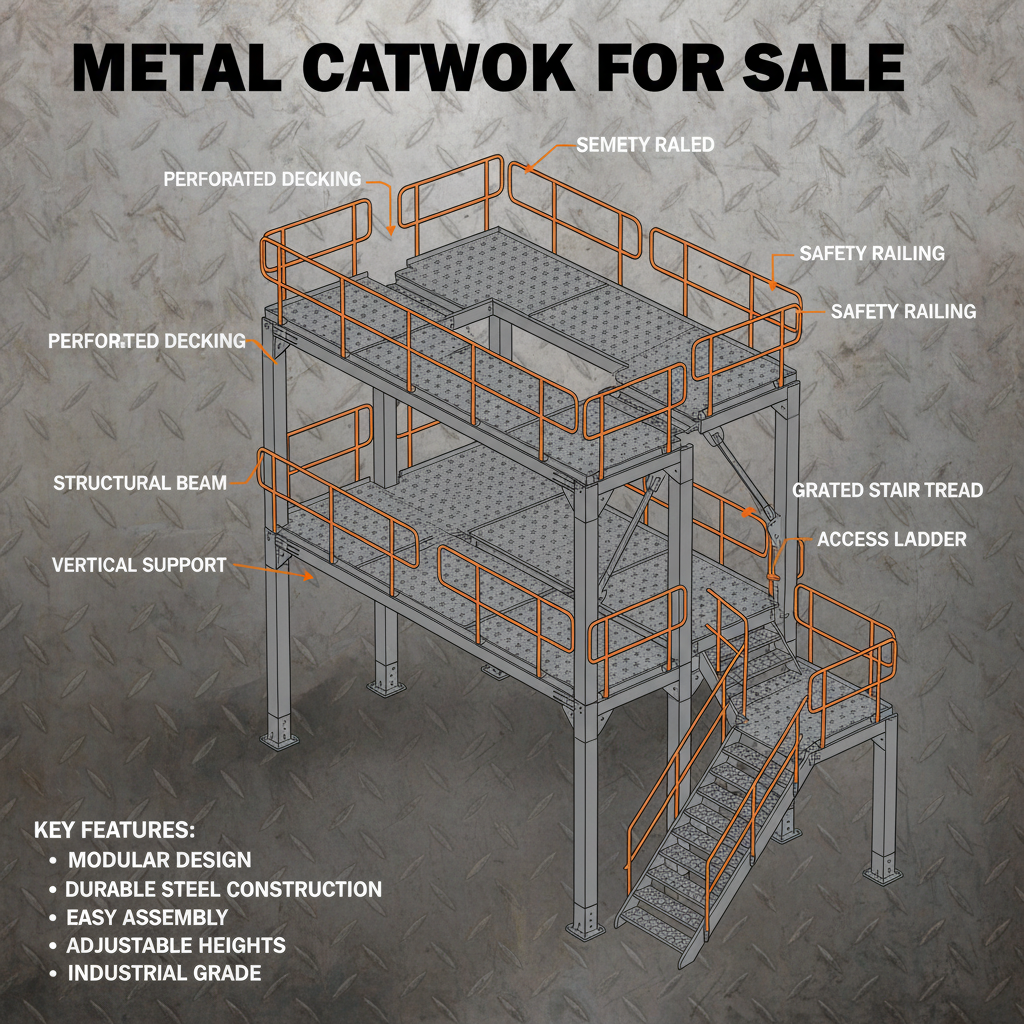
The integration of these systems into larger structures often introduces additional costs, such as customized CAD layouts to fit non-standard openings or the requirement for specialized stair treads and ditch covers. Selecting a partner with deep design experience helps in reducing material waste, thereby optimizing the overall budget.
The metal structures industry is moving toward a "smart procurement" model, where the selection of flooring is based on predictive maintenance data. We are seeing an increase in the use of hybrid materials that combine the strength of steel with the corrosion resistance of polymers.
Moreover, the industry is shifting toward more sustainable production methods, reducing the carbon footprint of the galvanizing process. This transition may influence the pricing structures in the coming years, as environmental regulations impose new costs on traditional chemical treatments.
Digitalization in the form of BIM (Building Information Modeling) is also enabling more precise quantity take-offs, reducing over-ordering and allowing for just-in-time delivery, which minimizes on-site storage costs and material degradation before installation.
To simplify the decision-making process, procurement teams should evaluate potential configurations based on a matrix of operational requirements. The goal is to align the technical capability of the grating with the actual stress levels of the application.
Whether selecting for a villa decoration, a municipal road, or a heavy industrial plant, the primary focus must remain on the balance between initial expenditure and the expected lifespan of the product.
The following matrix provides a guideline for matching configuration types to their ideal use cases.
| Configuration Type | Performance Profile | Operating Factor | Recommended Use Case |
|---|---|---|---|
| Basic Configuration | Low-to-Mid Load | Standard Durability | Pedestrian Walkways |
| Standard Configuration | Mid-to-High Load | Galvanized Protection | Municipal Drainage |
| High-Duty Configuration | Heavy Industrial Load | High Rigidity | Factory Floors |
| Precision Configuration | Customized Dimensions | Tolerant Fit | Specialized Machinery |
| Corrosion-Resistant | Chemical Stability | High Oxidation Limit | Chemical Plants |
| Industry Baseline | Standard Regulatory | General Purpose | Commercial Parking |
The price is primarily driven by the weight of the steel used, the grade of the alloy, and the surface treatment. Additionally, the complexity of the design—such as custom CAD layouts or non-standard bearing bar pitches—can increase labor costs. Market fluctuations in raw steel prices and energy costs for hot-dip galvanizing also play a significant role in short-term pricing volatility.
The choice depends on the environmental exposure. Carbon steel with hot-dip galvanizing is ideal for general industrial use and is the most cost-effective. However, in environments with high chloride levels, extreme humidity, or acidic chemicals, stainless steel is preferred due to its superior corrosion resistance, reducing the long-term cost of maintenance and replacement.
Depending on the region and application, you should verify compliance with standards such as China's YB/T4001.1-2007, the British BS4592-1-1995, or the American ANSI/NAAMM (MBG531-88). These standards ensure that the load-bearing capacity, weld strength, and galvanizing thickness meet the necessary safety requirements for industrial deployment.
Yes, by utilizing professional CAD designers to create precise layouts, companies can minimize material waste and reduce the need for on-site cutting and fitting. Optimized designs ensure that the grating is only as heavy as necessary for the required load, which can significantly lower the total amount of steel purchased.
The lifespan is estimated based on the thickness of the zinc coating and the corrosivity of the atmosphere. In a standard industrial environment, a high-quality hot-dip galvanized finish can last for decades. However, in coastal or highly polluted areas, the zinc layer is consumed faster, necessitating more frequent inspections and potential re-coating.
While sample production can often be completed within 2-3 days if stock is available, mass production typically ranges from 20 to 25 days depending on the order volume and specification complexity. Factors such as custom coating requirements or specialized shapes can extend this timeline.
The analysis of the grating steel price reveals that the lowest initial bid rarely equates to the lowest total cost of ownership. By aligning material grades and surface treatments with the actual environmental stress and load requirements, engineers can avoid the costly cycle of premature failure and replacement.
Ultimately, the integration of professional design services and adherence to international quality standards ensures that industrial flooring remains a safe, durable, and fiscally responsible component of the infrastructure. Focusing on value-driven procurement rather than price-driven purchasing is the only sustainable strategy for long-term industrial asset management.

Contact Us
WELCOME TO OUR COMPANY!
Thank you for your interest in our services! If you have any questions or wousld like to book a service, please don’t hesitate to contact us. Our team is dedicated to providing you with the highest level of service and support, and we are committed to working with you to make your event a success.

Service Email

Service Phone
Product Center
Contact Us