

Determining the total cost of industrial flooring often begins with a simple search for gratings price, yet the reality of procurement is far more complex than a per-square-meter quote. For procurement managers in the chemical, oil, and power sectors, the initial purchase price is only one variable in a larger equation involving material longevity, load-bearing requirements, and corrosive environmental resistance.
Price volatility in the metal fabrication industry is primarily driven by raw material shifts—specifically the fluctuating costs of stainless steel grades like 304, 316L, and various carbon steels. When evaluating quotes, it is critical to distinguish between the commodity price of the metal and the value added through precision welding and surface treatments, which directly impact the structural integrity and lifespan of the installation.
This analysis explores the primary drivers of cost for industrial gratings, comparing the economic trade-offs between galvanized steel, stainless steel, and FRP options. By understanding these variables, buyers can optimize their Return on Investment (ROI) by selecting materials that minimize maintenance cycles while meeting strict safety standards like ANSI/NAAMM and BS4592.

Analyzing the Core Drivers of Industrial Grating Costs

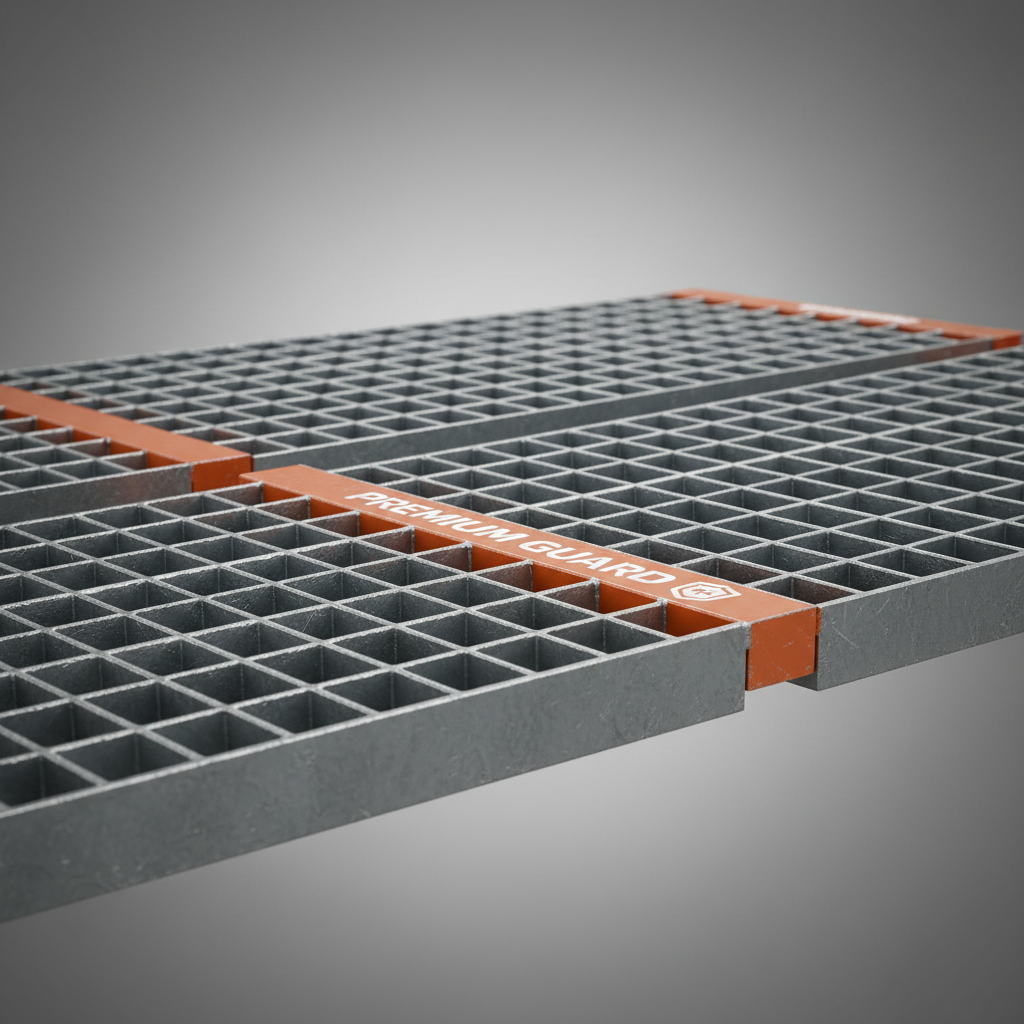
The price of industrial gratings is not a static figure but a result of several interdependent technical variables. The primary driver is the weight of the material used, which is determined by the bar size, spacing, and the overall thickness of the flat bars. In heavy-duty applications, where load-bearing capacity is paramount, the increased volume of steel naturally raises the base cost.
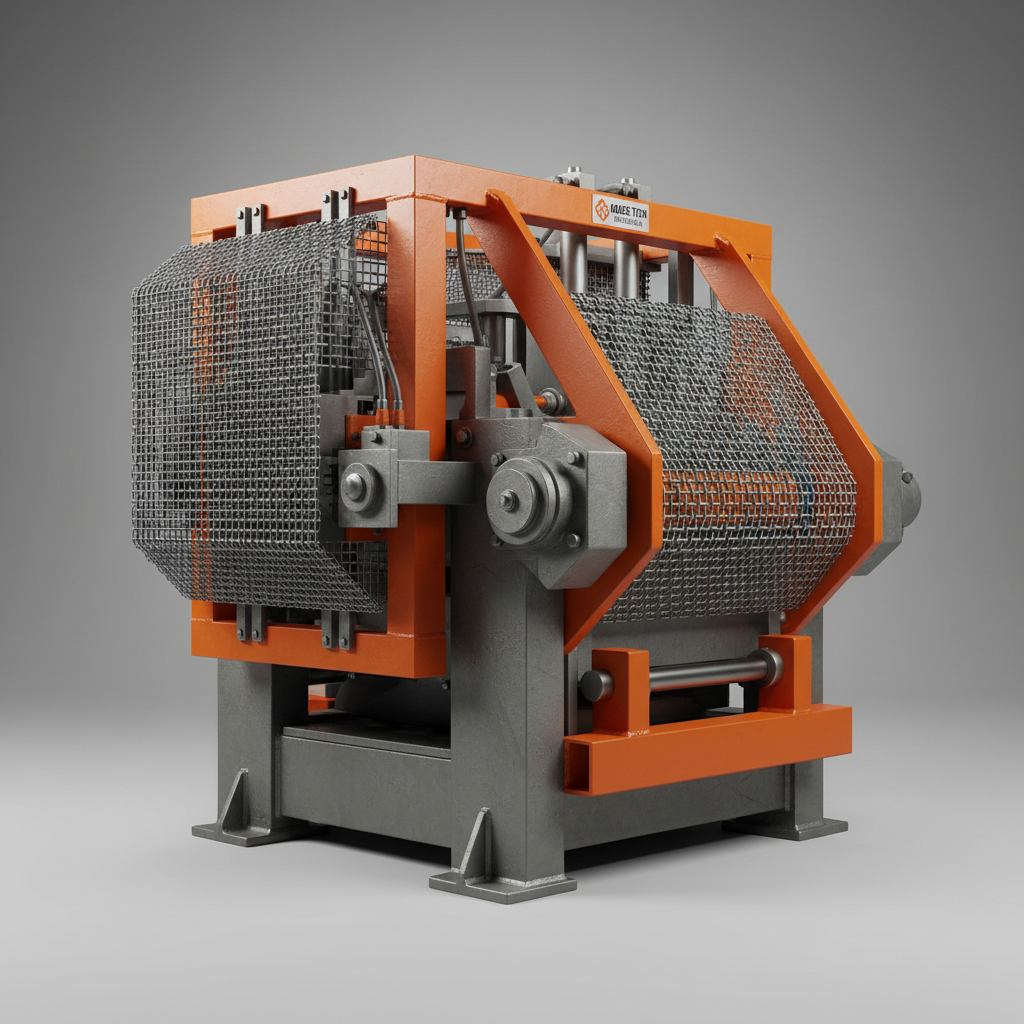
Beyond material volume, the manufacturing method plays a significant role. Machine pressure welding, utilizing high-voltage resistance, creates a consolidated, high-strength joint that offers superior stability. In contrast, spot welding—where bars are placed in punched holes—may offer a different aesthetic and cost profile but varies in structural rigidity depending on the contact point fusion.
Finally, surface treatments add a layer of cost. While carbon steel often requires hot-dip galvanizing or spray painting to prevent rust, stainless steel gratings rely on their inherent chromium content to form a passive protective film. The polishing process required to remove welding slag from stainless steel adds a labor component that contributes to the final market price.
Material Grade Impacts on Initial Capital Expenditure
The choice of alloy is the most immediate factor affecting the quote. Standard carbon steel is the most economical, but it is prone to oxidation without treatment. Stainless steel grades, however, introduce a tiered pricing structure based on chemical composition. Grade 201 is generally more affordable but offers lower corrosion resistance compared to the industry-standard Grade 304.
For extreme environments, such as offshore oil platforms or chemical processing plants, Grade 316 and 316L are preferred due to the addition of molybdenum, which resists chloride-induced pitting. These high-performance alloys command a premium price but eliminate the need for frequent replacements that occur with cheaper materials in salt-heavy air.
It is also worth noting that non-metallic alternatives like FRP (Fiber Reinforced Plastic) gratings provide a different cost trajectory. While potentially cheaper in certain specialized chemical settings, they lack the structural strength and heat resistance of stainless steel, making them unsuitable for high-temperature industrial machinery foundations.
High-Demand Application Scenarios and Cost Trade-offs
Different industrial sectors prioritize different cost-benefit ratios. In municipal engineering and bridge construction, the priority is often structural load and initial cost, making galvanized steel the dominant choice. Here, the focus is on meeting YB/T4001.1-2007 or BS4592 standards while keeping the budget lean.
In contrast, food processing plants and pharmaceutical laboratories must adhere to strict hygiene standards. The requirement for a non-porous, easy-to-clean surface makes polished stainless steel (such as 8K mirror or BA board finishes) the only viable option. The higher price is justified by the ability to prevent bacterial growth and withstand harsh chemical cleaning agents.
Heavy industry environments, including coking plants and shipyards, face the dual challenge of heavy vehicle loads and acidic runoff. In these scenarios, the trade-off shifts toward Grade 316L stainless steel. While the upfront investment is significant, the ability of the material to last 30 to 40 years in acidic conditions far outweighs the cost of replacing galvanized gratings every five years.
Comparative Lifespan and Maintenance Cost Metrics
Evaluating the "true cost" of gratings requires looking beyond the purchase order to the Total Cost of Ownership (TCO). A material that is 50% cheaper upfront may be 200% more expensive over a decade when factoring in labor for removal, surface preparation, and re-installation of corroded panels.
The following data illustrates the relative performance of different material choices in moderately corrosive environments, comparing initial cost versus long-term durability and the reduction in maintenance interventions.
gratings price Performance Metrics
As shown, while galvanized steel offers the lowest entry price, the maintenance burden increases exponentially after the first five years. Stainless steel options maintain a steady performance line, significantly reducing the "hidden costs" of facility downtime during grating replacement cycles.
Strategic Procurement and Supplier Evaluation Criteria
To avoid the risks of under-specification or over-spending, procurement teams should utilize a technical checklist rather than focusing solely on the lowest quote. A reputable supplier should be able to provide CAD layout designs that optimize the use of material, potentially reducing the total amount of steel required without compromising safety.
Verification of standards is non-negotiable. Whether the project requires the American ANSI/NAAMM (MBG531-88) or the British BS4592-1-1995 standard, the supplier's ability to provide documented compliance ensures that the gratings can handle the designed load limits. Failure to verify these standards often leads to costly structural retrofits.
Furthermore, consider the lead time and delivery logistics. Since steel gratings are heavy and bulky, shipping costs can significantly alter the landed price. Suppliers with integrated production and export experience can often optimize packaging and shipping routes, providing a more competitive total price.
Technological Shifts in Metal Fabrication and Pricing
The industry is seeing a shift toward more automated welding processes that reduce human error and material waste. High-voltage resistance pressure welding machines now allow for tighter tolerances and more consistent joint strength, which can lower the overall scrap rate and, by extension, the cost passed on to the consumer.
There is also an increasing trend toward "hybrid" solutions, where high-cost materials like stainless steel are used only in the most corrosive zones, while galvanized steel is used in the perimeter. This strategic zoning allows engineers to maintain safety and longevity while reducing the overall budget.
Future pricing may be influenced by the adoption of more sustainable smelting processes. As the industry moves toward "green steel," the cost of raw materials may fluctuate based on carbon taxes and energy efficiency regulations, making long-term supplier partnerships more valuable than spot-market purchasing.
Decision Matrix for Selecting Grating Materials
Selecting the right grating requires balancing the immediate budget against the operational environment. The following matrix provides a comparative look at common material choices based on typical industrial requirements.
Use this table to align your site conditions with the most cost-effective material grade, ensuring that you are not paying for excessive specifications while avoiding the pitfalls of under-engineered solutions.
| Material Grade | Price Level | Primary Environment | Expected Lifespan |
|---|---|---|---|
| Galvanized Steel | Low | Dry/General Industrial | 5-15 Years |
| Stainless 201 | Moderate | Indoor/Low Moisture | 10-20 Years |
| Stainless 304 | High | Food/Chemical Processing | 20-30 Years |
| Stainless 316L | Premium | Marine/High Acid | 30-40 Years |
| FRP Grating | Variable | Highly Corrosive/Non-Conductive | 15-25 Years |
| Aluminum Grating | High | Lightweight/Corrosive | 20-30 Years |
Ultimately, the most economical choice is the one that minimizes the frequency of replacement. For those evaluating these options for large-scale projects, reviewing specific technical data and product ranges through www.chengsenwiremesh.com can provide the necessary clarity for final selection.
Frequently Asked Questions
Conclusion
Procuring industrial gratings is a balance between upfront capital expenditure and long-term operational efficiency. While the initial search for a low price is common, the most successful procurement strategies prioritize material compatibility with the environment and adherence to global safety standards. By shifting the focus from "lowest cost" to "lowest total cost of ownership," companies can significantly reduce facility downtime and maintenance budgets.
Whether selecting Grade 304 for hygiene or 316L for extreme corrosion, the key lies in precise specification and supplier reliability. For those seeking high-standard manufacturing and professional layout design, the product capabilities and technical specifications available at www.chengsenwiremesh.com offer a comprehensive resource for making an informed decision.