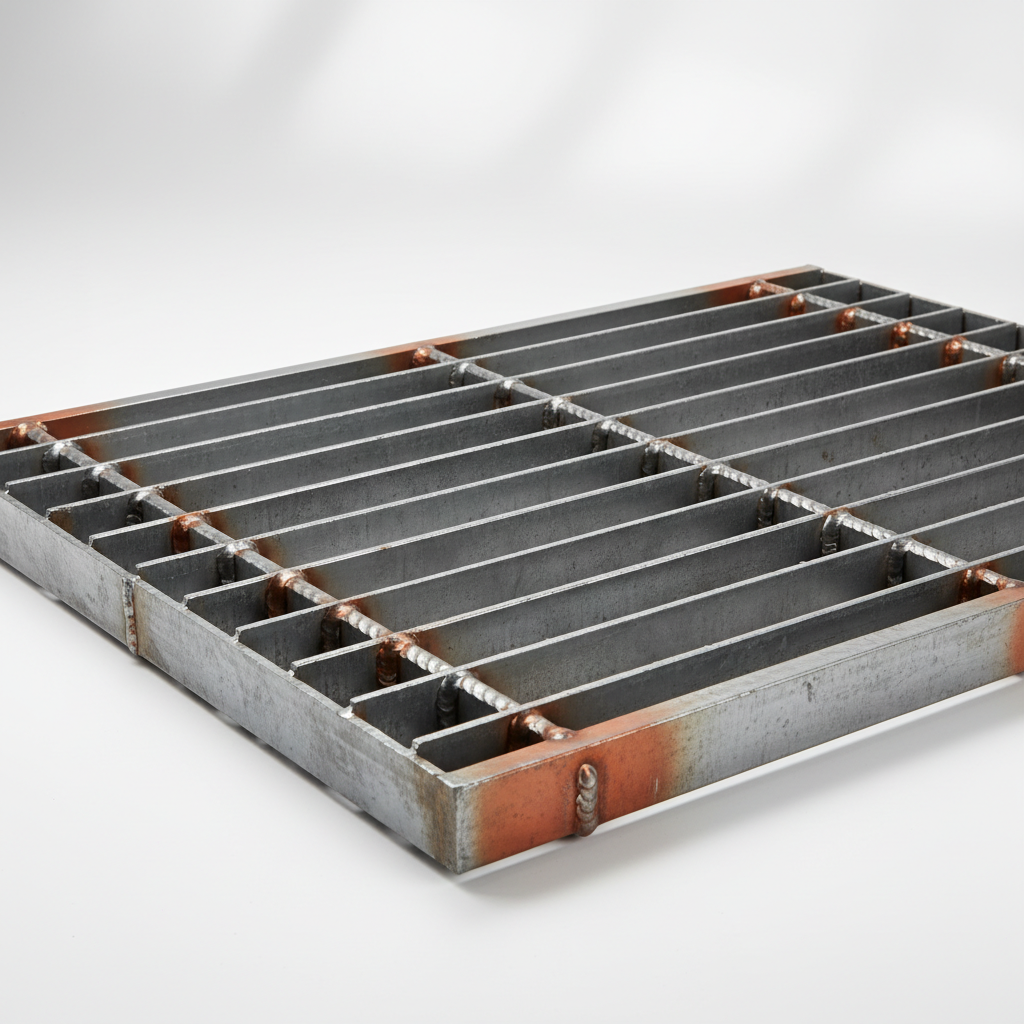


When evaluating the rectagrid rs40 price, it is essential to understand that this value reflects more than just material costs; it encompasses a specific engineering standard for heavy-duty industrial flooring and structural support. The price is typically driven by the grade of steel used, the coating specifications, and the precise load-bearing requirements of the project, making it a critical variable in industrial procurement budgets.
In the metal structures manufacturing industry, procurement teams often struggle to balance upfront costs with long-term durability. Selecting a grating solution based solely on the lowest price often leads to premature corrosion or structural failure, increasing the total cost of ownership. Understanding the price-to-performance ratio of the RS40 standard helps engineers ensure safety without overspending on unnecessary specifications.
This article provides a comprehensive analysis of the factors influencing rectagrid rs40 price, its technical advantages over standard welded mesh, and practical selection guides. By the end of this guide, you will be able to determine the optimal specifications for your project and identify how high-quality manufacturing impacts the long-term ROI of your industrial flooring installation.

1Understanding the Rectagrid RS40 Standard

The RS40 designation refers to a specific configuration of steel grating designed for high-stress environments. Unlike simple welded wire mesh, the RS40 standard emphasizes a precise ratio of bearing bar thickness to spacing, ensuring that the grid can withstand significant vertical loads without deformation. This engineering precision is what defines the base value and the operational reliability of the product.
From a manufacturing perspective, achieving the RS40 standard requires rigorous quality control during the welding and pressing stages. The alignment of the cross bars must be exact to prevent uneven load distribution, which would otherwise lead to localized stress points and potential failure under peak loads.
For buyers, the rectagrid rs40 price is a reflection of this stability. It is widely used in platforms, walkways, and drainage covers where safety regulations mandate a minimum load-bearing capacity that basic mesh products cannot meet.
2Key Factors Influencing the Price Structure
Several variables directly impact the cost of RS40 grating. The primary driver is the raw material; high-carbon steel or stainless steel options will naturally carry a higher price point than standard low-carbon steel. Additionally, the weight per square meter—determined by the thickness of the bearing bars—scales the material cost linearly.
Surface treatment is another critical cost component. For extreme industrial environments, PVC coating or specialized anti-corrosive paints are applied to prevent oxidation. While these additions increase the initial rectagrid rs40 price, they reduce the frequency of replacement, effectively lowering the long-term expenditure.
Customization also plays a role. Standard sheet sizes are more economical due to mass production. However, projects requiring CAD-designed layouts, specific notches for piping, or unique perimeter framing will incur higher labor and design costs.
3Industrial Application Scenarios and Requirements
The utility of RS40 grating extends across multiple sectors, including mining, chemical processing, and urban infrastructure. In mining, it is frequently used for underground walkways where high humidity and heavy footwear require a non-slip, high-strength surface that can be easily cleaned of debris.
In the chemical industry, the focus shifts toward material compatibility. Here, the rectagrid rs40 price often reflects the use of stainless steel or specialized coatings to resist acid rain and chemical spills, ensuring that the structure does not compromise the safety of the facility.
Urban applications, such as tree pool covers or ditch covers, prioritize aesthetics and safety. In these cases, the RS40 standard provides the necessary strength to handle occasional vehicle over-runs while maintaining a sleek, professional appearance for public spaces.
4Performance Analysis: RS40 vs. Standard Grating
Comparing the RS40 standard to general-purpose welded wire mesh reveals a stark difference in load distribution. Standard mesh is designed for containment or light screening, whereas RS40 is a structural component. This means the RS40 system offers significantly higher deflection resistance, which is vital for preventing "bounce" in elevated walkways.
When analyzing the rectagrid rs40 price against its performance, the value becomes apparent in the safety margins. The rigid construction reduces the risk of structural sagging over time, a common issue with lower-grade alternatives that leads to tripping hazards and increased maintenance calls.
rectagrid rs40 price Performance Metrics
The data indicates that while the initial investment is higher, the performance gains in load capacity and corrosion resistance provide a superior safety profile. This makes RS40 the preferred choice for compliance with international safety standards such as ANSI/NAAMM or British BS4592.
5Procurement Best Practices and Selection Criteria
To optimize the rectagrid rs40 price, procurement officers should focus on "right-sizing" the specifications. This involves calculating the actual peak load the grating will encounter. Over-specifying the bar thickness can lead to unnecessary costs, while under-specifying poses a significant safety risk.
Evaluating the supplier's manufacturing capability is equally important. A supplier with extensive experience in CAD design and adherence to international standards can provide optimized layouts that reduce material waste and lower the overall project cost.
Additionally, consider the logistics of delivery. Ordering in bulk and coordinating delivery schedules to minimize site storage time can reduce indirect costs, making the total procurement process more efficient.
6Maintenance and Lifecycle Cost Management
The total cost of ownership is the sum of the initial rectagrid rs40 price and the subsequent maintenance costs. High-quality galvanized RS40 grating requires minimal intervention for decades, whereas cheaper alternatives may require frequent repainting or partial replacement due to rust.
Regular inspections should focus on the support points and the integrity of the coating. If the galvanization is scratched during installation, immediate touch-up with cold-galvanizing spray can prevent the spread of corrosion, thereby preserving the structural integrity of the grid.
By implementing a proactive maintenance schedule, companies can extend the service life of their flooring systems well beyond the original design life, maximizing the value of the initial investment.
7Comparative Analysis of Metal Flooring Options
Choosing between RS40, aluminum grating, and FRP grating depends on the specific environmental constraints. While RS40 provides the best strength-to-cost ratio for heavy loads, aluminum is preferred for weight-sensitive applications, and FRP is essential for highly corrosive chemical zones.
When analyzing the rectagrid rs40 price against these alternatives, it is clear that steel remains the industry standard for heavy-duty structural integrity. The following table summarizes the trade-offs between these common flooring materials.
| Material Type | Load Capacity | Corrosion Resistance | Typical Lifecycle |
|---|---|---|---|
| Steel RS40 | Very High | High (Galvanized) | 20-30 Years |
| Aluminum Grating | Medium | Very High | 15-25 Years |
| FRP Grating | Medium | Exceptional | 10-20 Years |
| Standard Mesh | Low | Low/Medium | 5-10 Years |
| Stainless Steel | High | Very High | 30+ Years |
| Composite Grids | Medium | High | 15-20 Years |
Ultimately, the selection should be based on a matrix of load requirements, environmental exposure, and budget. For most heavy-industrial applications, the RS40 specification offers the most reliable balance of cost and performance.
Frequently Asked Questions
Conclusion
Analyzing the rectagrid rs40 price reveals that the value of this product lies in its engineered stability and long-term durability. By prioritizing the correct material specifications and protective coatings, industrial operators can ensure a safe working environment while minimizing the total cost of ownership over the lifecycle of the facility.
For those requiring professional grade steel grating solutions tailored to specific load and environmental requirements, detailed product information and layout design services are available at www.chengsenwiremesh.com.