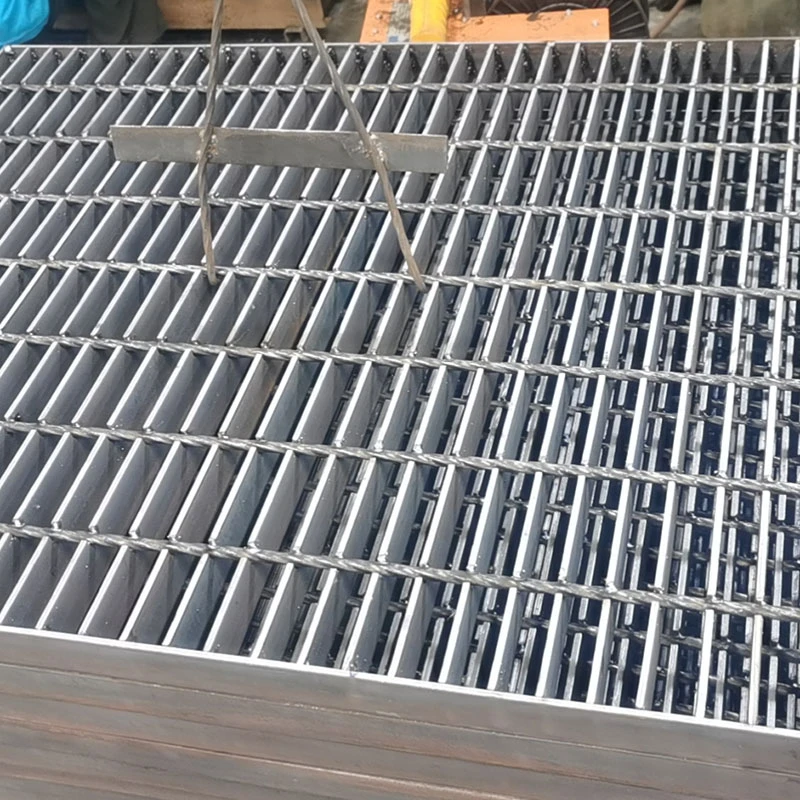
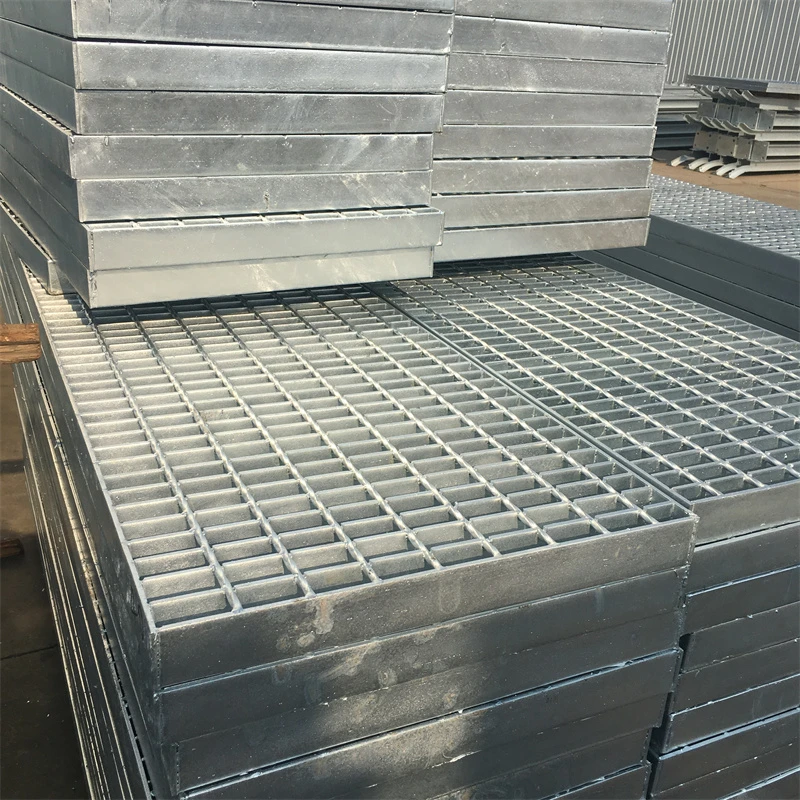
Premium catwalk grating Solutions for New Zealand Infrastructure

Engineering high-durability metal flooring and drainage systems tailored for Oceania's rugged environmental demands and industrial safety standards.

Premium catwalk grating Solutions for New Zealand Infrastructure

Providing New Zealand's industrial, commercial, and municipal sectors with precision-engineered metal grating that balances structural integrity with extreme corrosion resistance.

Current Market State of Metal Flooring in New Zealand

Analyzing the intersection of Oceania's coastal geography and industrial grating requirements.

In New Zealand, the demand for metal grating is heavily influenced by the country's unique coastal geography and high humidity. The saline-rich air in cities like Auckland and Wellington necessitates materials that can withstand aggressive oxidation, shifting the market preference toward high-grade galvanization and stainless steel alloys.

The local construction industry is currently prioritizing seismic resilience and safety compliance. This has led to a surge in the installation of heavy-duty galvanised drain cover systems in urban drainage projects to prevent structural failure during soil shifts and heavy rainfall events common in the region.

Moreover, the strict Health and Safety at Work Act (HSWA) in New Zealand has forced industrial plants to upgrade their walkways. There is a significant transition toward non-slip, high-load bearing systems that ensure worker safety in dairy processing plants and geothermal energy sites.
Evolution and Technical Trajectory of Metal Structures

From traditional carbon steel to advanced metallurgical coatings in the Oceania region.

Market Development History

Historically, the New Zealand market relied on basic hot-dipped galvanized steel produced locally. Between 1990 and 2010, the focus was primarily on load-bearing capacity, with subway grating and industrial floorings utilizing standard carbon steel profiles that required frequent maintenance in coastal zones.

From 2010 to 2020, a technical shift occurred toward material specialization. The introduction of stainless bar grating became the gold standard for the food and beverage industry (particularly dairy), where hygiene and chemical resistance were paramount to meeting international export standards.

Entering the 2020s, the integration of BIM (Building Information Modeling) and precision CNC cutting has allowed for highly customized grating layouts, reducing material waste and improving installation speeds for complex infrastructure projects across Oceania.

Future Development Trends

Eco-Friendly Coating Technologies

Integration of zinc-aluminum-magnesium (ZAM) coatings to provide superior corrosion protection compared to traditional galvanization, specifically for New Zealand's maritime environments.

Smart Structural Monitoring

Incorporation of embedded sensors within heavy-duty gratings to monitor structural stress and wear in real-time, reducing the need for manual inspections in high-risk areas.

Lightweight High-Strength Alloys

Shift toward advanced alloy compositions that offer the strength of steel with significantly lower weight, facilitating easier transport to remote New Zealand regional sites.

Industry Outlook and Future Projections

Strategizing for the next 5 years of metal structure engineering in New Zealand.

Sustainable Material Sourcing
Increasing adoption of recycled steel and low-carbon manufacturing processes to align with New Zealand's 2050 net-zero carbon goals.
Advanced Anti-Slip Tech
Deployment of serrated bars and integrated grit coatings to enhance friction in wet, oily, or icy conditions across Southern Alps regions.
Prefabrication Growth
Movement toward off-site modular grating assemblies to reduce on-site installation time and labor costs in New Zealand's tight labor market.
Digital Twin Integration
Using 3D scanning to create digital twins of existing industrial walkways for precision replacement and upgrading of aging infrastructure.

Industry Outlook

According to Google search trend logic for "Industrial Safety Flooring NZ," there is a growing emphasis on "long-term lifecycle cost" over "initial purchase price." This indicates that New Zealand engineers are prioritizing materials that offer a 20+ year lifespan in harsh environments.

The future will likely see a convergence of traditional metallurgy and smart materials, where the role of a grating is no longer just to support weight, but to provide data on the health of the underlying structure in Oceania's critical utility networks.

Localized Application Scenarios in New Zealand

Real-world implementation of high-performance metal grating across various NZ sectors.

1. Coastal Port Infrastructure in Auckland

Utilization of heavy-duty galvanised steel systems to handle saltwater spray and high-tonnage cargo traffic, ensuring non-corrosive longevity in the maritime interface.

2. Dairy Processing Plants in Waikato

Installation of high-grade stainless bar grating to meet stringent food safety hygiene standards and resist corrosive cleaning agents used in milk production.

3. Geothermal Energy Platforms in Rotorua

Deployment of specialized heat-resistant metal structures that can withstand the sulfur-rich atmospheres and extreme temperature fluctuations of geothermal sites.

4. Urban Stormwater Systems in Christchurch

Implementation of precision-fitted galvanised drain cover solutions designed to manage high-volume runoff and prevent urban flooding during peak rain events.

5. Industrial Warehouse Mezzanines in South Island

Application of lightweight yet rigid catwalk grating for overhead maintenance access, optimizing space while adhering to NZ safety load ratings.

Brand Story

Global Development Journey of Shijiazhuang Chengsen Trading Co., Ltd.

Foundational Excellence

Established with a mission to bridge the gap between industrial precision and cost-efficiency, focusing on the core fundamentals of high-quality wire mesh and metal grating production.

Technological Expansion

Invested in advanced automated welding and galvanizing lines to eliminate human error and ensure every millimeter of product meets international ISO standards.

Global Market Integration

Successfully expanded into the Oceania market, adapting product specifications to meet the unique environmental challenges of New Zealand and Australia.

Customization Leadership

Developed a rapid-prototyping system that allows engineers worldwide to receive custom metal structure samples in record time, solving complex site-specific pain points.

Future-Ready Vision

Committing to sustainable manufacturing and the development of "intelligent gratings," ensuring that the next generation of infrastructure is both green and smart.

Frequently Asked Questions for New Zealand Clients

Expert answers to common technical queries regarding metal structures in Oceania.

Which material is best for coastal catwalk grating in New Zealand?

For coastal areas, we highly recommend hot-dipped galvanised steel or 316-grade stainless steel to prevent salt-air corrosion and extend the service life of the infrastructure.

How do I choose the correct load rating for subway grating systems?

Load ratings depend on the expected traffic (pedestrian vs. vehicular). We provide calculations based on NZ load standards to ensure the bar thickness and spacing are sufficient for your specific application.

Can stainless bar grating be customized for dairy plant hygiene?

Yes, we offer precision-welded stainless steel grating with smooth finishes that eliminate bacteria traps, ensuring compliance with New Zealand's food safety regulations.

What is the typical lead time for galvanised drain cover shipping to NZ?

Depending on the order volume and custom specifications, production typically takes 2-3 weeks, with shipping to New Zealand ports taking an additional 3-5 weeks.

Do your metal grating products meet NZ health and safety standards?

Absolutely. All our products are engineered to support specific load-bearing requirements and offer anti-slip surfaces that align with the Health and Safety at Work Act (HSWA) of New Zealand.

How should I maintain stainless bar grating in high-sulfur environments?

In geothermal or high-sulfur areas, we recommend periodic freshwater rinsing and the use of passivating agents to maintain the chromium-oxide protective layer of the stainless steel.

Get Your Custom Metal Grating Quote

Contact our engineering team today for high-performance structural solutions delivered across New Zealand.

Contact Us Now

Contact Us

WELCOME TO OUR COMPANY!

Thank you for your interest in our services! If you have any questions or wousld like to book a service, please don’t hesitate to contact us. Our team is dedicated to providing you with the highest level of service and support, and we are committed to working with you to make your event a success.

Email

Service Email

sales@chengsenchina.com

Phone

Service Phone

+86 15733154345

    • *
    • *
  • *
  • *

Contact Us

  • mesh wire dimensions
  • purpose of wire gauze
  • wire mesh pdf
  • wire mesh fabricators

If you are interested in our products, you can choose to leave your information here, and we will be in touch with you shortly.