

.png "E-mail")

Mar . 31, 2026 03:07 Back to list
Comprehensive Guide to Trench Grating Types Materials and Applications
Understanding Trench Grating: A Comprehensive Guide
Trench grating plays a critical role in infrastructure, providing safe and efficient drainage solutions across various applications. From roadways and sidewalks to industrial facilities and landscaping, these metal grids offer essential functionality. This article delves into the different types of trench grating, their materials, applications, load-bearing capabilities, and factors to consider when selecting the right grating for your project. Properly selected trench grating ensures safety, durability, and effective water management.
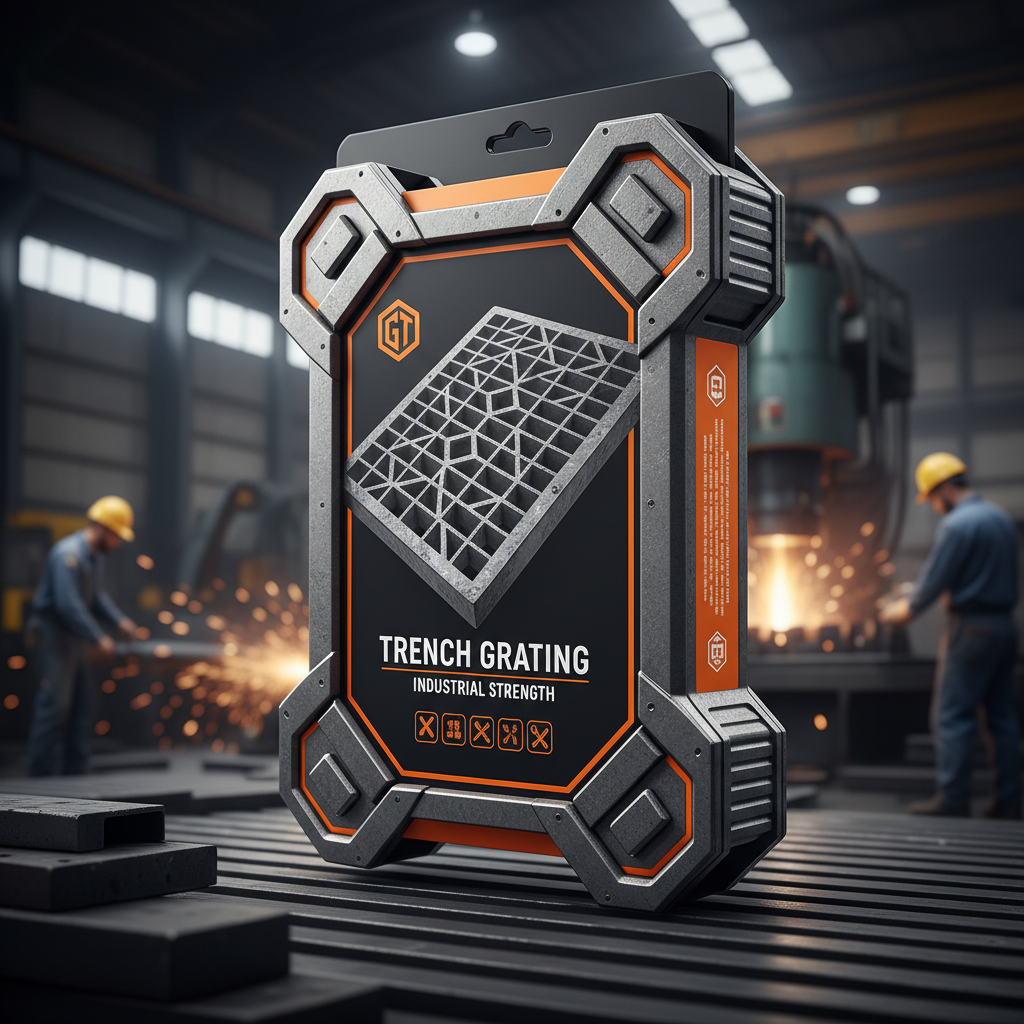
Types of Trench Grating
Trench grating isn't one-size-fits-all. Several types are available, each suited for specific needs. These include welded steel grating, riveted grating, molded fiberglass grating, and cast iron grating. Welded grating offers high strength-to-weight ratio and cost-effectiveness. Riveted grating provides a secure connection but is generally more expensive. Fiberglass grating is ideal for corrosive environments. Cast iron is heavy-duty and often used in pedestrian areas. Choosing the right type is crucial for longevity and performance. ChengSen Wire Mesh offers a variety of options to meet diverse project requirements.
Key Highlights: Understanding the different types of trench grating allows for informed decision-making based on specific load requirements, environmental factors, and budgetary constraints.
Materials Used in Trench Grating Construction
The material of trench grating significantly impacts its durability and suitability for different environments. Steel, typically carbon steel or stainless steel, is commonly used for its strength and cost-effectiveness. Stainless steel offers excellent corrosion resistance, making it ideal for coastal areas or chemical plants. Fiberglass Reinforced Plastic (FRP) is a lightweight, non-metallic option resistant to corrosion and electrical conductivity. Cast iron provides high load-bearing capacity and is a traditional choice for pedestrian walkways. The best material depends on the expected loads, environmental conditions, and budget.
Material Properties:
• Steel: High strength, cost-effective, susceptible to corrosion.
• Stainless Steel: Excellent corrosion resistance, higher cost.
• Fiberglass (FRP): Lightweight, corrosion-resistant, non-conductive.
• Cast Iron: High load capacity, durable, heavy.
Trench Grating Load Capacity and Standards
Trench grating is engineered to withstand specific loads. Load capacity is crucial and is determined by factors like the grating's material, bar spacing, and support structure. Standards like ASTM A36 (for steel) and ASTM E84 (for FRP) define minimum performance requirements. Typical load ratings are expressed in pounds per square foot (PSF) or kilonewtons per square meter (kN/m²). It’s imperative to select grating with a load capacity exceeding the expected traffic and potential loads. Always consult load tables provided by the manufacturer, such as those available at Chengsen Wire Mesh, before making a purchase.
Applications of Trench Grating
The versatility of trench grating lends itself to a wide variety of applications. Common uses include stormwater drainage systems in parking lots and roadways, trench covers for underground utilities (electrical, telecommunications), safety walkways in industrial plants, and drainage solutions in landscaping projects. The correct grating choice enhances safety, prevents accidents, and ensures efficient water management. Choosing the right grating also contributes to the long-term integrity of the surrounding infrastructure.
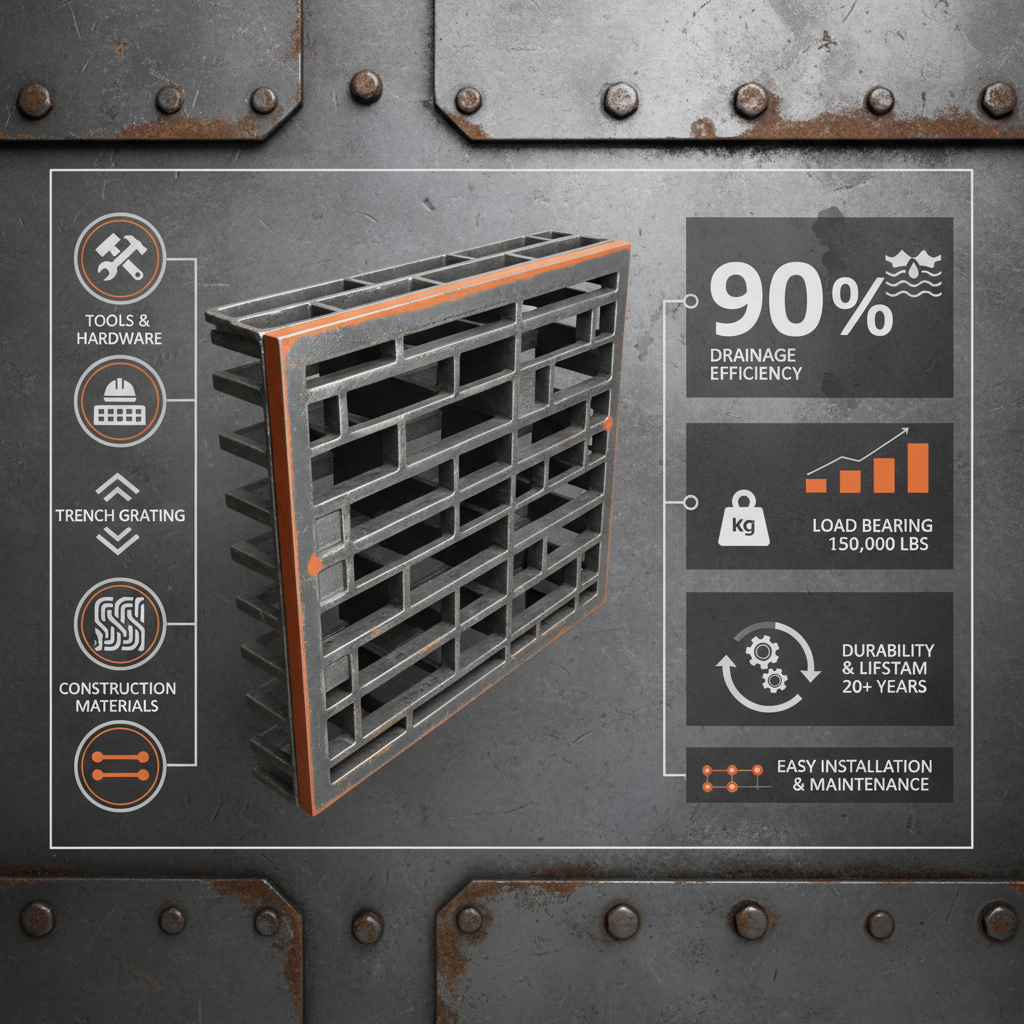
Factors to Consider When Selecting Trench Grating
Selecting the right trench grating involves considering several factors. These include the anticipated load, the environmental conditions (corrosion, temperature), the required span and opening size, the safety standards applicable to your project, and your budget. Proper installation is also critical for ensuring the grating's performance and longevity. Consulting with a qualified engineer or a reputable supplier like Chengsen Wire Mesh can help you make the best choice for your specific needs.
Conclusion: Choosing the Right Trench Grating for Your Project
Selecting the appropriate trench grating is a vital decision for any infrastructure project. By carefully considering the factors outlined in this article – material, load capacity, application, and environmental conditions – you can ensure a safe, durable, and cost-effective drainage solution.
Frequently Asked Questions (FAQs)
What is the difference between welded and riveted trench grating?
Welded trench grating is manufactured by resistance welding the bearing bars and cross bars together, creating a strong and durable grid. It is generally more cost-effective and easier to fabricate. Riveted trench grating, on the other hand, uses rivets to connect the bars. While offering a secure connection, it is typically more expensive and heavier than welded grating. Welded grating is suitable for most applications, while riveted grating may be preferred in situations requiring exceptional strength and rigidity, or where disassembly for maintenance is desired.
How do I determine the correct load capacity for my trench grating?
Determining the correct load capacity requires assessing the expected loads on the grating. Consider the type of traffic (pedestrian, vehicular), the weight of the vehicles, and any potential impact loads. You should also factor in any dynamic loads, such as vibrations or sudden stops. Consult engineering standards and manufacturer's load tables to ensure the selected grating can safely handle the anticipated loads. It’s always better to overestimate the load capacity than to underestimate it.
What are the benefits of using fiberglass trench grating?
Fiberglass trench grating offers several advantages, including corrosion resistance, lightweight construction, and non-conductivity. This makes it ideal for use in corrosive environments such as chemical plants and wastewater treatment facilities. The lightweight nature of FRP simplifies installation and reduces support structure requirements. Its non-conductive properties also make it a safe choice for applications where electrical hazards are present.
How should trench grating be installed for optimal performance?
Proper installation is crucial for ensuring the grating's performance and safety. The grating should be securely supported according to the manufacturer's recommendations. Ensure the support structure is level and stable. Use appropriate fasteners that are compatible with the grating material and the supporting structure. Follow all relevant safety guidelines during installation. For detailed installation instructions, refer to the manufacturer's documentation or consult with a qualified installer.
Latest News
-
19w4 Grating Specifications and Industrial Application Guide
NewsApr.16,2026
-
Heavy Duty Grating Guide for Industrial Flooring and Safety
NewsApr.09,2026
-
Comprehensive Guide to Safety Grating for Workplace Safety and Durability
NewsApr.07,2026
-
Comprehensive Guide to Expanded Steel Grating Types Benefits and Applications
NewsApr.04,2026
-
Comprehensive Guide to Understanding Durable Composite Grating Solutions
NewsMar.28,2026
Our company owns has excellent CAD steel grating drawing designers, who can provide customers with perfect steel grating layout design and better meet customers' special requirements for products. We have been adhering to it the business tenet of "quality first, customer first", with high-quality products, reasonable prices, and the fastest delivery time, we wholeheartedly provide customers with a full range of services! Welcome new and old customers to cooperate sincerely and create brilliance together!
Contact Us
WELCOME TO OUR COMPANY!
Thank you for your interest in our services! If you have any questions or wousld like to book a service, please don’t hesitate to contact us. Our team is dedicated to providing you with the highest level of service and support, and we are committed to working with you to make your event a success.

Service Email

Service Phone
Product Center
Contact Us
- Phone: +86 +86 15733154345
- E-mail: sales@chengsenchina.com
- Address: B1213 GLOBAL CENTER, NO.226 ZHONGHUA NORTH STREET, SHIJIAHUANG, CHINA


