

.png "E-mail")

Apr . 09, 2026 03:10 Back to list
Heavy Duty Grating Guide for Industrial Flooring and Safety
The Ultimate Guide to Heavy Duty Grating for Industrial Flooring
In high-traffic industrial environments, the integrity of flooring can be the difference between operational efficiency and costly downtime. heavy duty grating provides an essential solution for areas requiring maximum load-bearing capacity, superior drainage, and uncompromising safety. Whether it is used in chemical plants, oil rigs, or heavy machinery warehouses, choosing the right grating system ensures a stable walking surface that can withstand extreme pressure. This guide explores the technical aspects, material choices, and critical selection criteria to help you implement the most durable flooring solution for your facility.
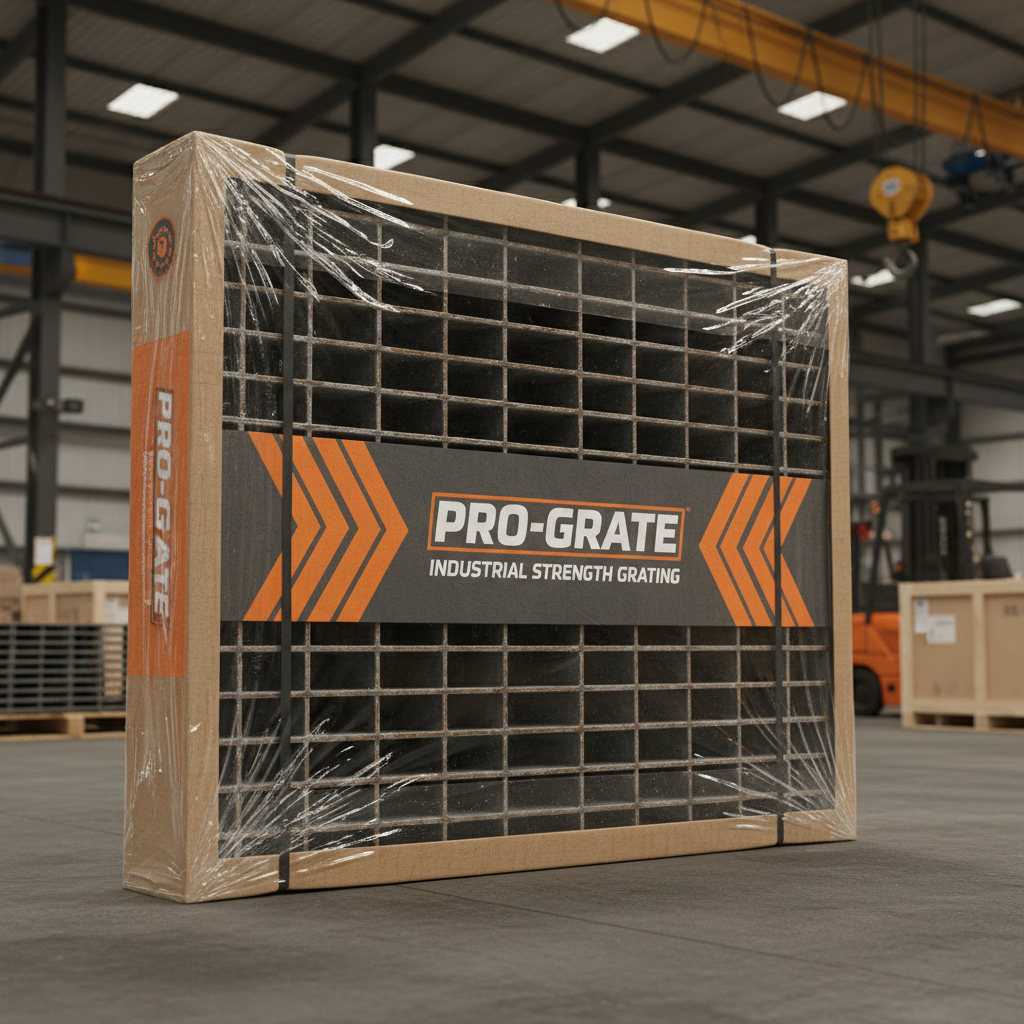
Core Advantages of Using Heavy Duty Grating
The primary appeal of heavy duty grating lies in its ability to combine strength with permeability. Unlike solid concrete or steel plates, grating allows light, air, and liquids to pass through, which is critical for maintaining ventilation and preventing the accumulation of hazardous spills. Furthermore, the open-grid design provides natural slip resistance, significantly reducing the risk of workplace accidents. By utilizing high-grade steel or composite materials, these systems are engineered to resist deformation even under the weight of forklifts and heavy industrial equipment, making them a cornerstone of modern industrial architecture.
Key Highlights: Enhanced drainage capabilities, superior load distribution, and high slip resistance. Designed specifically for environments where safety and structural longevity are non-negotiable.
Material Selection for Heavy Duty Grating Systems
Selecting the right material for your heavy duty grating depends heavily on the environmental exposure of the installation site. Carbon steel is the go-to for maximum strength, typically finished with hot-dip galvanization to prevent rust. For highly corrosive environments, such as coastal areas or chemical processing plants, stainless steel or FRP (Fiber Reinforced Plastic) is preferred. While carbon steel offers the highest load capacity, stainless steel provides unmatched longevity against oxidation. Understanding these trade-offs is essential for calculating the total cost of ownership and reducing long-term maintenance requirements.
Material Quick-Comparison:
• Galvanized Steel: Best for general industrial use and high load bearing.
• Stainless Steel: Ideal for food processing and pharmaceutical labs.
• FRP/Composite: Perfect for highly corrosive chemical environments.
Comparing Heavy Duty Grating vs. Standard Mesh
It is common to confuse standard industrial mesh with heavy duty grating, but the structural differences are profound. Standard mesh is often used for fencing, filtration, or lightweight catwalks, whereas heavy-duty grating utilizes thick bearing bars and cross bars welded together to create a rigid panel capable of supporting thousands of pounds. The following table illustrates why heavy-duty options are necessary for load-bearing applications.
Common Applications of Heavy Duty Grating
The versatility of heavy duty grating allows it to be deployed across various critical sectors. In the oil and gas industry, it is used for offshore platform flooring where salt-spray corrosion is a constant threat. In urban infrastructure, it serves as heavy-duty trench covers for sewage and electrical cabling, allowing maintenance access without compromising road safety. Additionally, it is widely used in aviation hangars and automotive assembly lines where heavy loads are frequently moved. Its ability to provide a secure grip while allowing debris to fall through makes it an indispensable asset for any site prioritizing safety.
Technical Specifications for Heavy Duty Grating
To ensure the safety of a project, engineers must specify the exact dimensions and load ratings for the heavy duty grating. This includes the bar size, the spacing between bearing bars (pitch), and the thickness of the cross bars. Properly calculated specifications prevent the "spring" effect (deflection) and ensure that the grating can handle the intended UDL (Uniformly Distributed Load). Below are the standard specifications typically encountered in high-load industrial projects:
Installation and Maintenance Best Practices
Even the highest quality heavy duty grating can fail if installed incorrectly. Secure fastening using saddle clips or welding is mandatory to prevent panels from shifting under load, which could create hazardous gaps. Maintenance should involve regular inspections for signs of corrosion, particularly at the weld points. In environments where chemicals are used, periodic cleaning to remove corrosive residues can significantly extend the life of the grating. Replacing damaged sections promptly ensures that the structural integrity of the entire floor is maintained, preventing potential collapse in critical zones.
Conclusion: Strengthening Your Infrastructure with Precision Grating
Investing in high-quality heavy duty grating is a strategic decision that enhances both safety and productivity. By carefully selecting materials, adhering to technical load specifications, and ensuring professional installation, businesses can create a durable environment capable of withstanding the harshest industrial conditions. From reducing slip hazards to supporting heavy machinery, the right grating system is an invisible but vital component of industrial success. Trust in engineered excellence to protect your workforce and your assets.
Frequently Asked Questions (FAQs)
How do I calculate the load capacity for heavy duty grating?
Calculating load capacity involves determining the "span" (the distance between supports) and the size of the bearing bars. The weight of the load (whether it is a point load or a uniformly distributed load) is compared against the material's yield strength and the allowable deflection limit. We recommend consulting with a structural engineer or using a professional load table provided by the manufacturer. Factors such as the pitch of the bars and the thickness of the metal significantly impact the total weight the grating can support before bending.
What is the best coating for grating in saltwater environments?
For saltwater or marine environments, Hot-Dip Galvanizing (HDG) is the industrial standard for carbon steel. HDG creates a thick, bonded zinc layer that protects the steel from oxygen and moisture. However, for extreme conditions or high-salinity areas, Stainless Steel (specifically Grade 316) is the superior choice as it contains molybdenum, which provides exceptional resistance to chloride pitting. FRP is also an excellent alternative as it is naturally immune to corrosion, although it has different load-bearing characteristics than steel.
Can heavy duty grating be customized for specific shapes?
Yes, heavy duty grating can be custom-cut and fabricated to meet the exact requirements of your project. Whether you need circular cut-outs for piping, notched corners for irregular architectural layouts, or specific panel dimensions, precision CNC cutting allows for a perfect fit. Customization ensures that there are no gaps in the flooring, which is critical for meeting safety regulations and preventing tripping hazards in a busy industrial workspace.
How often should industrial grating be inspected?
The frequency of inspection depends on the severity of the environment. In standard warehouses, an annual inspection is usually sufficient. However, in chemical plants or high-load transit zones, quarterly inspections are recommended. Inspectors should look for signs of "scaling" (zinc peeling), deep rust, or any visible sagging in the bearing bars. If the grating feels "bouncy" when walked upon, it may indicate structural fatigue or a failure in the support clips, requiring immediate repair or replacement to avoid accidents.
Latest News
-
19w4 Grating Specifications and Industrial Application Guide
NewsApr.16,2026
-
Comprehensive Guide to Safety Grating for Workplace Safety and Durability
NewsApr.07,2026
-
Comprehensive Guide to Expanded Steel Grating Types Benefits and Applications
NewsApr.04,2026
-
Comprehensive Guide to Trench Grating Types Materials and Applications
NewsMar.31,2026
-
Comprehensive Guide to Understanding Durable Composite Grating Solutions
NewsMar.28,2026
Our company owns has excellent CAD steel grating drawing designers, who can provide customers with perfect steel grating layout design and better meet customers' special requirements for products. We have been adhering to it the business tenet of "quality first, customer first", with high-quality products, reasonable prices, and the fastest delivery time, we wholeheartedly provide customers with a full range of services! Welcome new and old customers to cooperate sincerely and create brilliance together!
Contact Us
WELCOME TO OUR COMPANY!
Thank you for your interest in our services! If you have any questions or wousld like to book a service, please don’t hesitate to contact us. Our team is dedicated to providing you with the highest level of service and support, and we are committed to working with you to make your event a success.

Service Email

Service Phone
Product Center
Contact Us
- Phone: +86 +86 15733154345
- E-mail: sales@chengsenchina.com
- Address: B1213 GLOBAL CENTER, NO.226 ZHONGHUA NORTH STREET, SHIJIAHUANG, CHINA


