Telephone

Telephone

+86 15733154345

E-mail

E-mail Address

sales@chengsenchina.com

Sat

Mon - Sat

7:00AM to 9:00PM

0%

Table of Contents

Honestly, things are moving fast these days. Seems like yesterday we were all happy with galvanized steel, and now everyone’s talking about stainless 316L, even for things that probably don’t need it. It’s all about perceived value, right? But you spend enough time on site, breathing in the dust and dealing with warped frames, and you realize a lot of these “improvements” are just chasing shadows. I was at a factory in Foshan last time, and they were boasting about their new automated welding robots... looked impressive, but the consistency wasn't quite there yet. Still needed a guy with a mask checking every joint.

And product design? Don't even get me started. So many designers, fresh out of school, think they can reinvent the wheel. They draw up these beautiful renderings with all sorts of intricate curves and angles, completely forgetting that someone actually has to make this thing, and someone else has to install it in the pouring rain. Have you noticed how often a seemingly simple bracket turns into a nightmare because of a poorly placed hole? It’s the little things, you know? The little things…

We mostly work with Q235 steel for general construction, it's reliable, predictable. Smells like… well, steel. A bit oily if it’s been cut, but you get used to it. The newer stuff, like the 304 stainless, feels cleaner, smoother to the touch. But it’s also a pain to weld, needs a different technique, and the fumes are… well, let’s just say you want good ventilation. And don't even get me started on aluminum. Lightweight, sure, but it bends if you look at it wrong.
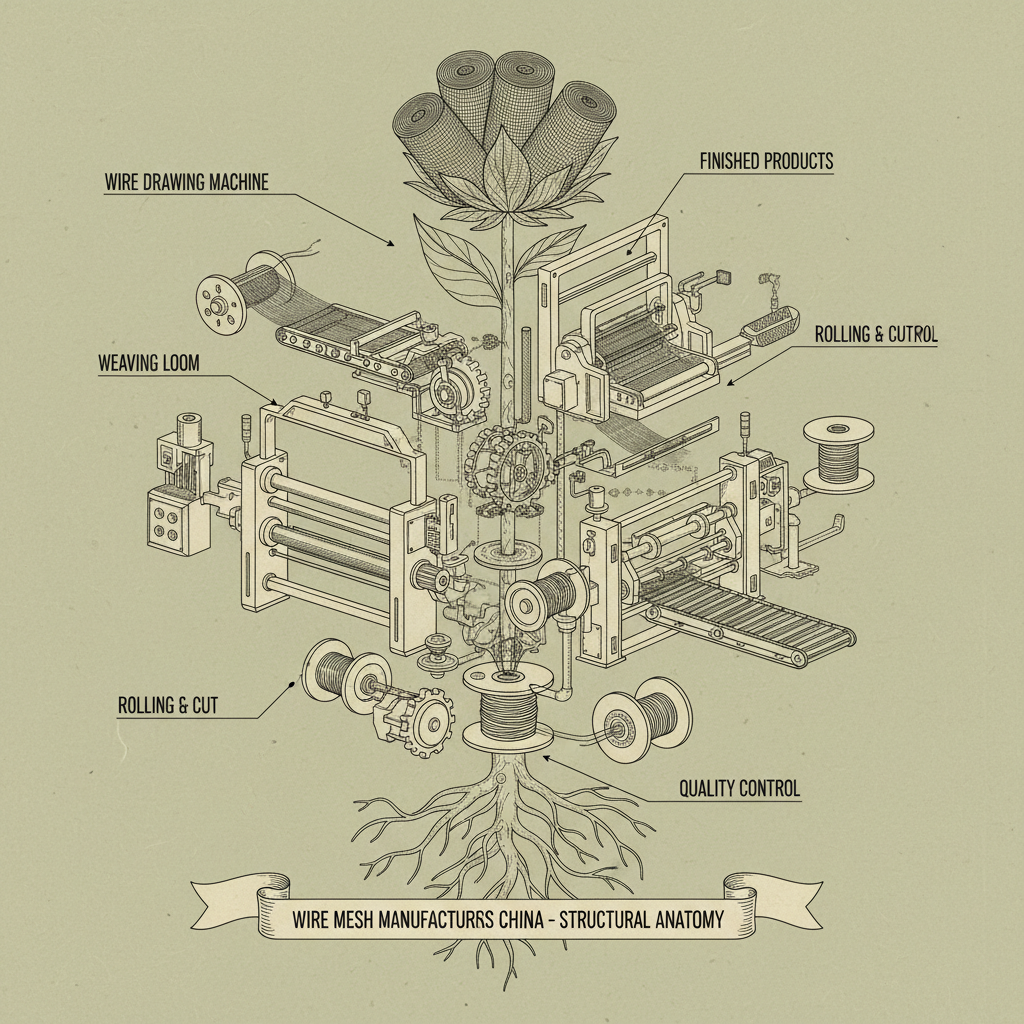
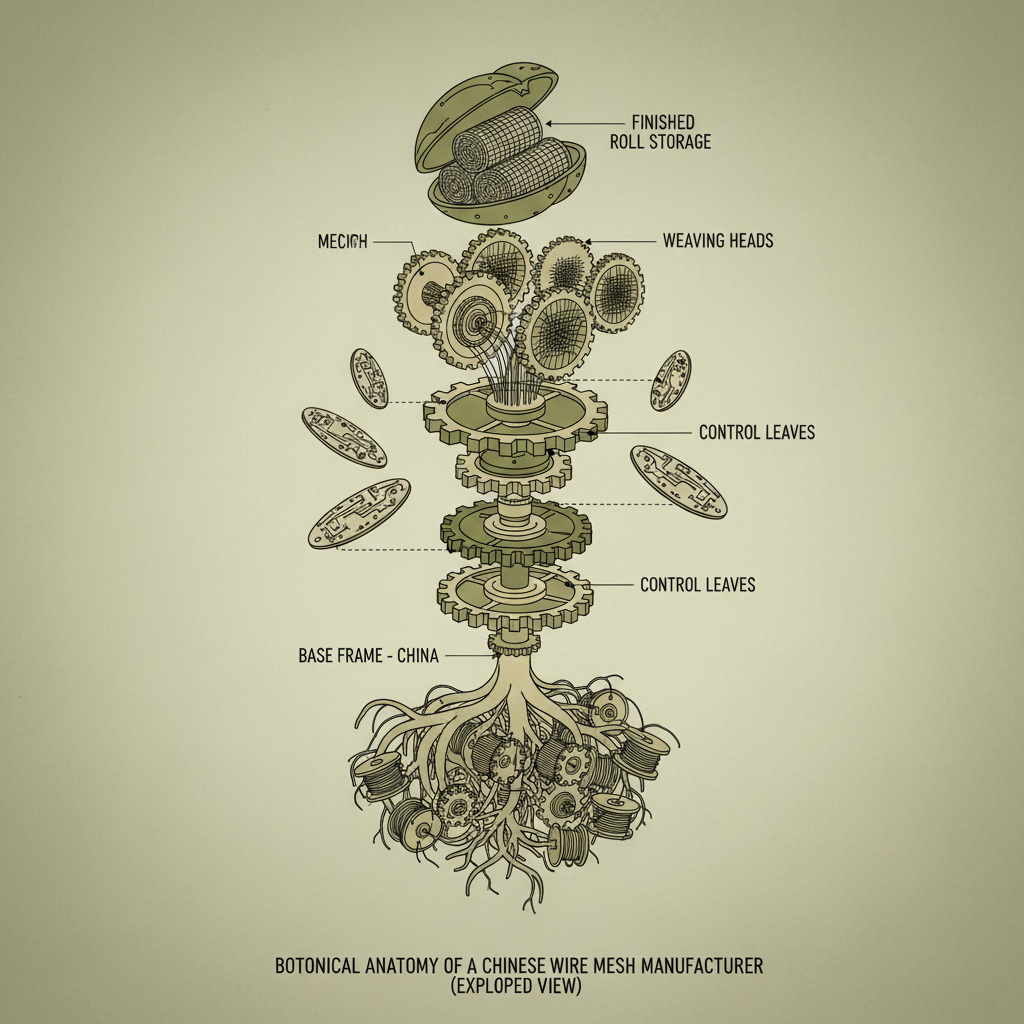
Expert Insights on Wire Mesh Manufacturers in China and Industry Trends

Industry Trends and Design Pitfalls

Expert Insights on Wire Mesh Manufacturers in China and Industry Trends

Strangely enough, a lot of the pressure isn't coming from engineers anymore. It's the marketing guys, trying to differentiate products with buzzwords. "High-tensile," "corrosion-resistant," "eco-friendly"... it all sounds good, but often it just adds cost and complexity. And the designs! I saw one the other day… they wanted a wire mesh panel with a built-in lighting system. Built-in! Who's going to replace the LEDs? The electrician? The building owner? It's just asking for trouble. Later… forget it, I won't mention it.

We're seeing more demand for pre-fabricated sections, that's for sure. Everyone wants to speed up construction, and pre-fab helps with that. But it requires incredibly tight tolerances, and getting that right consistently is… challenging. Especially with some of the smaller manufacturers.

Material Choices: A Hands-On Perspective

The steel itself, honestly, it’s not that different from factory to factory. It’s the coatings that matter. PVC-coated is good for basic protection, relatively cheap. Epoxy coating is tougher, lasts longer, but it’s more expensive and can be brittle in extreme cold. We’ve been experimenting with some newer polymer coatings, some with self-healing properties, but they're still in the early stages. And then there’s galvanized… well, you know galvanized. Reliable, but it corrodes eventually. The smell of galvanizing, though... distinct.

I encountered this at a bridge construction site last month; they tried to save money on the fasteners, used a cheaper grade of steel. Ended up having to replace the whole lot after a few months. Lesson learned, right? You cheap out on the small stuff, it’ll bite you later.

We're also seeing more requests for stainless steel mesh for architectural applications. It looks nice, sure, but it's incredibly expensive. And the welding… oh, the welding. It requires specialized skills and equipment. It's beautiful stuff, but it's not always practical.

Testing: Beyond the Lab

Lab tests are fine, but they don’t tell the whole story. You need to see how this stuff performs in the real world. We do a lot of on-site pull tests, corrosion resistance tests (leaving samples exposed to the elements for six months, year, whatever the client needs), and fatigue tests. We even simulate impact damage, just to see how it holds up.

I remember one time, we were supplying mesh for a coastal project, and the lab tests showed excellent corrosion resistance. But when we actually installed it, within a year, it was rusting like crazy! Turns out the lab didn’t account for the salt spray and the constant humidity. You learn things the hard way sometimes.

Honestly, a good engineer will walk the site, feel the material, talk to the workers. That’s the best testing you can get.

Real-World Applications & User Behavior

It's funny, you design something for one purpose, and then users find a completely different way to use it. We made a batch of heavy-duty mesh for reinforcing concrete, and a farmer bought the whole lot to build a chicken coop! Said it was the strongest stuff he’d ever seen. Who am I to argue?

We do a lot of work in the construction industry, obviously, but also for security fencing, animal enclosures, filtration systems, even art installations. Each application has its own unique requirements and challenges. A security fence needs to be difficult to climb, an animal enclosure needs to be strong enough to contain the animals, and a filtration system needs to have the right pore size.

Wire Mesh Application Performance Metrics


Advantages, Disadvantages, and Customization

Advantages? Strength, durability, relatively low cost. Versatility, too. You can bend it, cut it, weld it, shape it. Disadvantages… it can rust if you don’t protect it properly. It can be heavy to work with. And it's not always the prettiest material. But, hey, it gets the job done.

Customization is where we really shine. We can adjust the mesh size, the wire diameter, the coating, the dimensions… you name it. Last month, that small boss in Shenzhen who makes smart home devices insisted on changing the interface to , and the result was a complete disaster! It didn't fit the existing enclosures, and they had to redesign everything. It was a mess. But hey, at least we were able to deliver exactly what they asked for.

Customer Story: The Debacle

Anyway, I think that whole thing perfectly illustrates the challenges we face. You've got clients with bright ideas, but they don’t always understand the practical implications. We try to advise them, steer them in the right direction, but sometimes they just insist on doing things their way. And then we’re left cleaning up the mess. It happened in April, at that factory in Shenzhen. The guy was obsessed with future-proofing everything, even though it made absolutely no sense in this particular application.

He wasted a ton of money, delayed his product launch, and created a whole lot of headaches for everyone involved. But hey, it made for a good story, right?

The moral of the story is always, always listen to the people who actually build the stuff.

Core Performance Metrics

Here’s a rough breakdown of some key performance indicators we look at. Don't take it as gospel, it's just what I scribble down on my notepad on site.

It's more of a gut feeling than anything else.

We also track scrap rates, client complaints, and delivery times, but that's mostly for internal use.

Key Performance Indicators for Wire Mesh Manufacturing

Material Quality (1-10) Production Efficiency (1-10) On-Time Delivery Rate (%) Customer Satisfaction (1-10)
8 7 95 7
9 6 88 8
6 8 92 6
7 9 98 9
8 7 90 7
9 8 96 8

FAQS

What’s the biggest mistake people make when specifying wire mesh?

They focus too much on the appearance and not enough on the functionality. You need to know what the mesh is for before you start picking out colors and patterns. Think load bearing, corrosion resistance, and longevity first. A pretty fence that falls down after a year isn’t very useful, is it?

How do you deal with inconsistent quality from different suppliers?

Strict quality control, plain and simple. We have our own testing lab, and we inspect every batch of material before it goes into production. It adds cost, but it saves us headaches in the long run. And we only work with suppliers we trust, even if it means paying a little more.

What's the future of wire mesh manufacturing?

Automation, definitely. More robots, more CNC machines, more computer-controlled processes. That’s going to drive down costs and improve consistency. Also, I think we'll see more use of sustainable materials and coatings. Everyone's getting more environmentally conscious.

What’s the most durable coating for outdoor applications in coastal areas?

For coastal areas, a hot-dip galvanized coating followed by a powder coating with a high concentration of zinc is the way to go. It provides excellent corrosion resistance, even in saltwater environments. But, even then, regular inspection and maintenance are crucial.

Can you create custom mesh patterns for architectural projects?

Absolutely. We have a team of designers who can work with architects to create custom mesh patterns for all sorts of applications. We can do anything from simple geometric shapes to complex, intricate designs. It’s more expensive, of course, but it can really add a unique touch to a building.

What's the typical lead time for a large custom order?

Lead times vary depending on the complexity of the order and the availability of materials. But, as a general rule, you should expect at least 4-6 weeks for a large custom order. It’s always best to plan ahead and give us as much notice as possible.

Conclusion

Ultimately, wire mesh isn't glamorous. It’s a workhorse material. It doesn’t get the same attention as steel beams or concrete foundations, but it’s just as important. It's about selecting the right materials, understanding the application, and ensuring proper installation. And, as I said before, there’s a lot of hype out there, a lot of marketing spin. The real proof is in the pudding.

So, whether it's reinforcing concrete, protecting livestock, or creating a stunning architectural feature, remember that it all comes down to getting the details right. And ultimately, whether this thing works or not, the worker will know the moment he tightens the screw.

Robert Miller

Robert Miller

Robert Miller is a seasoned Steel Grating Specialist at Shijiazhuang Chengsen Trading Co., Ltd., with over 15 years of experience in the metals industry. He focuses on client relations and ensuring projects meet both American ANSI/NAAMM standards and specific customer needs. Robert’s expertise lies in translating complex engineering requirements into
Previous Exploring Trends and Practicalities with Leading Wire Mesh Manufacturers
Next Navigating the Landscape of Modern Wire Mesh Fabricators and Applications

Contact Us

WELCOME TO OUR COMPANY!

Thank you for your interest in our services! If you have any questions or wousld like to book a service, please don’t hesitate to contact us. Our team is dedicated to providing you with the highest level of service and support, and we are committed to working with you to make your event a success.

Email

Service Email

sales@chengsenchina.com

Phone

Service Phone

+86 15733154345

    • *
    • *
  • *
  • *

Contact Us

  • mesh wire dimensions
  • purpose of wire gauze
  • wire mesh pdf
  • wire mesh fabricators
Copyright © 2026 SHIJIAZHUANG CHENGSEN TRADING CO., LTD. All Rights Reserved. Sitemap | Privacy Policy | Top Search | Top Blog | Global Service