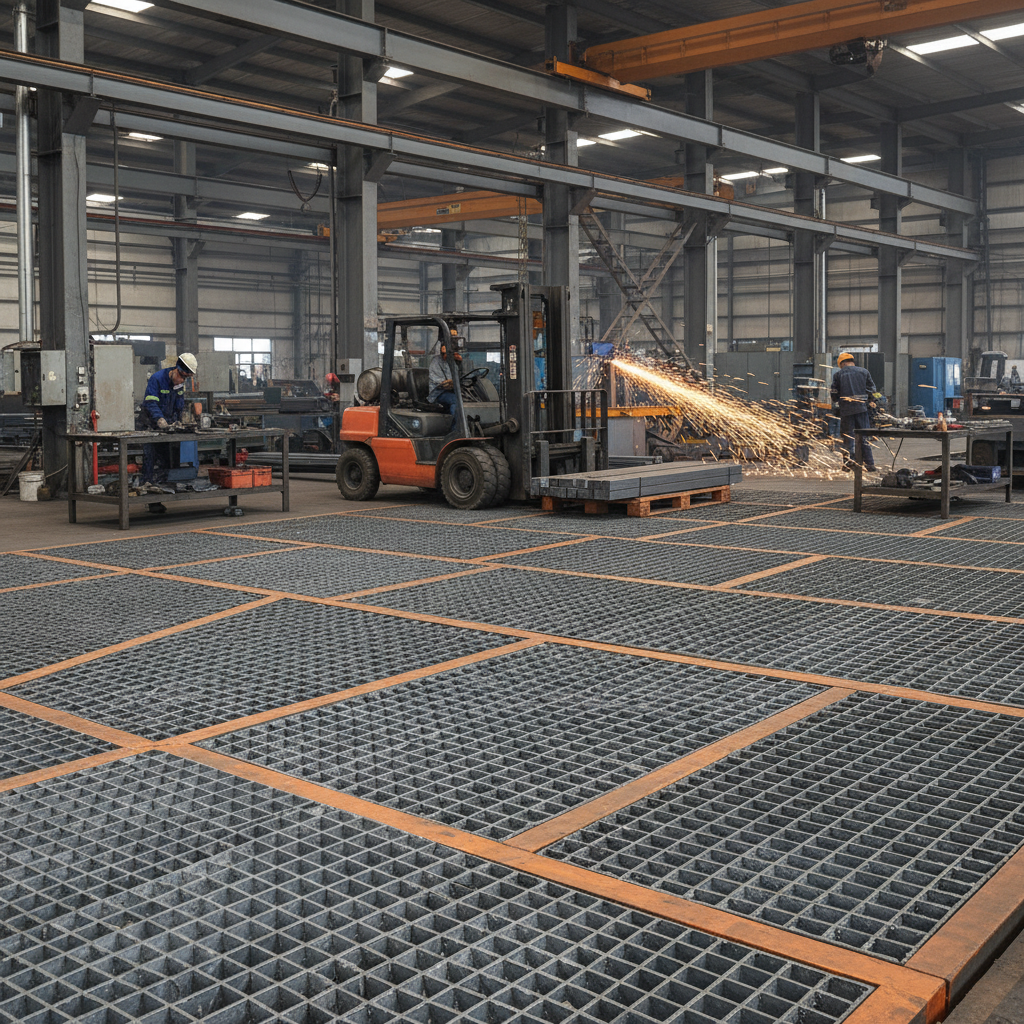
You know, lately everyone's talking about prefabrication. Big push for modular stuff, trying to get away from all the on-site welding and fitting. Seems like every other engineer is sketching up some kind of bolted-together system. To be honest, it's a bit of a mixed bag. The idea’s good – speed up construction, improve quality control. But it’s easy to fall into the trap of over-engineering these things, making them so complicated to assemble that you end up spending more time on-site trying to figure it out than you would have just building it the old way.
Have you noticed how everyone’s obsessed with high-strength steel now? It's all anyone talks about. I encountered this at a factory in Tianjin last time – they were bragging about their new grade of Q460, but the welders were still having trouble with it. Too brittle, apparently. It's good stuff, don't get me wrong, but it needs skilled hands, and finding those is getting harder every year.
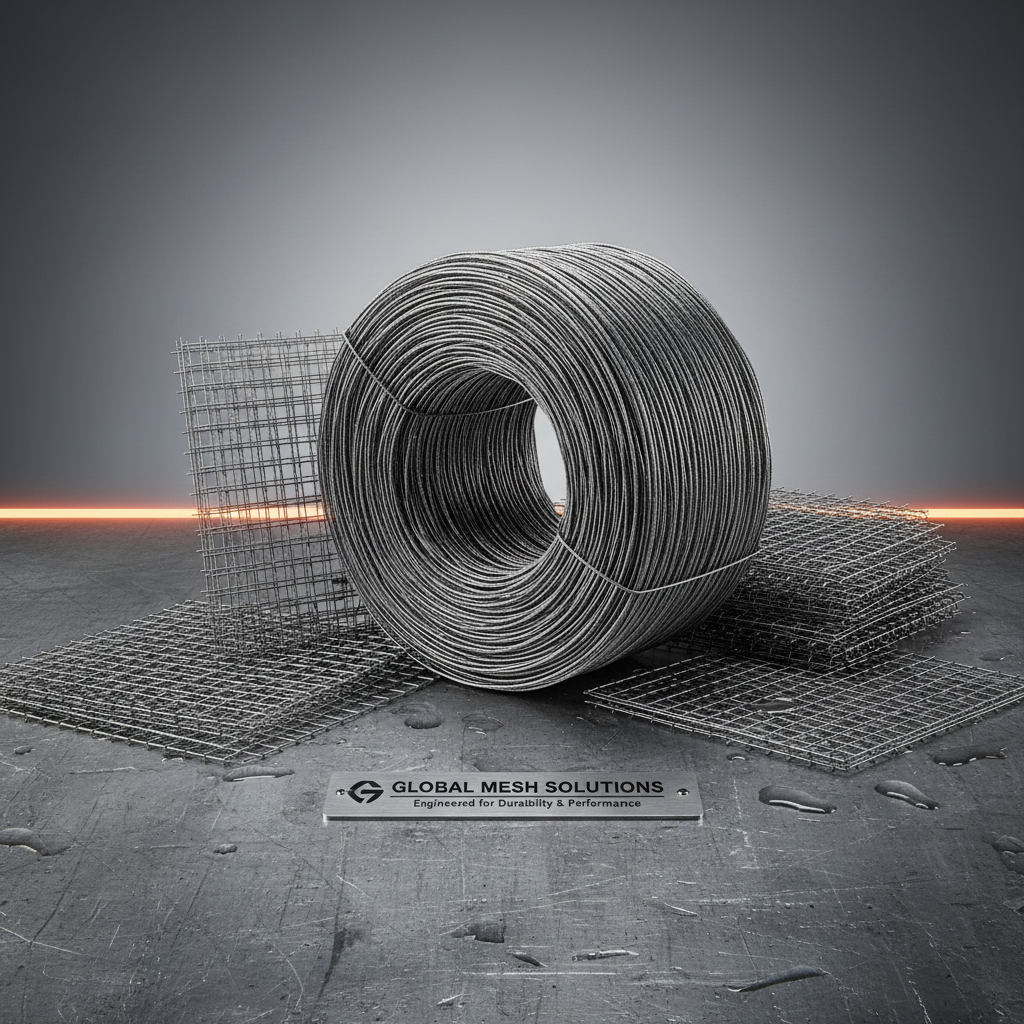
And then there's the mesh itself. We’re using a lot of galvanized steel wire mesh, of course, but also stainless steel 304 and 316. The stainless… smells different, you know? Like clean metal, not that oily, zincy smell of the galvanized stuff. It feels smoother too, a little heavier. The galvanized stuff is fine for most applications, but if you’re near the coast, or dealing with corrosive materials, you have to go stainless. Handling it though… the edges are always sharp. Always. We go through gloves like water.


Strangely, even with all this talk of innovation, we still rely heavily on the basics. The galvanized wire mesh for reinforcing concrete, the stainless for filtration systems… it’s been around for decades. But the way we use it is changing. It’s less about just slapping it in there and more about precision placement, optimized weave patterns. And the demand for lighter-weight, high-strength mesh is constantly increasing. We even had a request for a mesh with a specific coating for UV resistance – some outdoor art installation, I think. Anyway, I think the pressure to reduce weight while maintaining structural integrity is driving a lot of the current trends.
The quality control… that's the tricky part. Labs can test tensile strength all day long, but it doesn’t tell you how it will hold up to constant vibration, salt spray, or a careless worker dropping a tool on it. That’s where the real-world testing comes in.
For coastal areas, stainless steel 316 is the clear winner. The higher molybdenum content provides significantly better resistance to chloride corrosion. Galvanized steel simply won't last long in a saltwater environment, and even 304 stainless can start to show pitting over time. It's an investment upfront, but it saves money in the long run by avoiding costly replacements.
Calculating the mesh quantity depends on the slab’s dimensions and the desired reinforcement level. You’ll need to know the slab’s length, width, and thickness. Then determine the mesh spacing – usually specified in the engineering drawings. Calculate the area of the slab, and then divide that area by the area covered by a single roll of mesh. Always add a bit extra for overlaps and waste – around 5-10% is a good rule of thumb.
Welded wire mesh is made by welding wires together at their intersections, creating a grid pattern. It's generally stronger and more rigid. Woven wire mesh, on the other hand, is created by interlacing wires, similar to fabric. It's more flexible and often used for filtering and screening. Welded mesh is better for reinforcement, while woven mesh is better for separation and filtration.
Yes, absolutely. Steel wire mesh is highly recyclable. It's a valuable scrap metal. However, the recycling process can be challenging if the mesh is contaminated with concrete or other materials. It's best to separate the mesh from other debris before sending it to a recycling facility. It's a good practice for sustainability and can even save you on disposal costs.
The biggest risk is cuts from the sharp edges. Always wear heavy-duty gloves and eye protection. Long sleeves and pants are also a good idea. When cutting the mesh, use appropriate tools and be careful not to create loose wires. Finally, be mindful of the weight of the rolls – they can be surprisingly heavy, so lift with your legs, not your back.
Yes, we can. PVC coating is the most common way to add color to wire mesh. We can offer a wide range of colors to match your project’s aesthetic requirements. Powder coating is also an option, offering even greater durability and color options, but it's typically more expensive. Just let us know your specific color needs, and we’ll see what we can do.
So, there you have it. Wire mesh—it’s not glamorous, but it’s essential. From prefabrication trends to material choices, on-site realities to customization options, there’s a lot to consider. Understanding these factors can make the difference between a successful project and a costly headache. It’s more than just buying a roll of wire; it’s about knowing how it will perform in the real world.
Ultimately, whether this thing works or not, the worker will know the moment he tightens the screw. If it feels right, fits right, and doesn’t give him a headache, then it’s probably good to go. And if you’re looking for a reliable wire mesh factory, you know where to find us.

Contact Us
WELCOME TO OUR COMPANY!
Thank you for your interest in our services! If you have any questions or wousld like to book a service, please don’t hesitate to contact us. Our team is dedicated to providing you with the highest level of service and support, and we are committed to working with you to make your event a success.

Service Email

Service Phone
Product Center
Contact Us


.png "E-mail")