The selection of a high-performance metal grating floor is a critical decision for any industrial facility prioritizing safety, drainage, and structural integrity. Across global manufacturing hubs, these engineered surfaces provide the necessary traction and load-bearing capacity to ensure operational continuity in the most demanding environments.
In an era where workplace safety regulations are becoming increasingly stringent, the implementation of specialized flooring solutions is no longer optional. From chemical plants to offshore oil rigs, the ability of a metal grating system to prevent slip-and-fall accidents while allowing light and air to penetrate is invaluable for maintaining a healthy work ecosystem.
Understanding the nuances of material grades, coating options, and load calculations allows engineers and procurement managers to optimize their infrastructure for longevity. By integrating a robust metal grating floor, industries can significantly reduce long-term maintenance costs while enhancing the overall efficiency of their spatial layout.
Global Industry Context of Metal Grating Floor
On a global scale, the demand for metal grating floor solutions is driven by the rapid expansion of industrialization in Southeast Asia and the modernization of infrastructure in North America and Europe. Following ISO standards for load-bearing and safety, these systems are essential in sectors where traditional concrete flooring fails due to poor drainage or inadequate ventilation.
The challenge often lies in the corrosive nature of industrial environments. Whether it is the saline mist of a coastal refinery or the acidic runoff in a processing plant, the industry has shifted toward advanced galvanization and stainless steel alloys to prevent premature structural failure and ensure worker safety.
Defining the Modern Metal Grating Floor
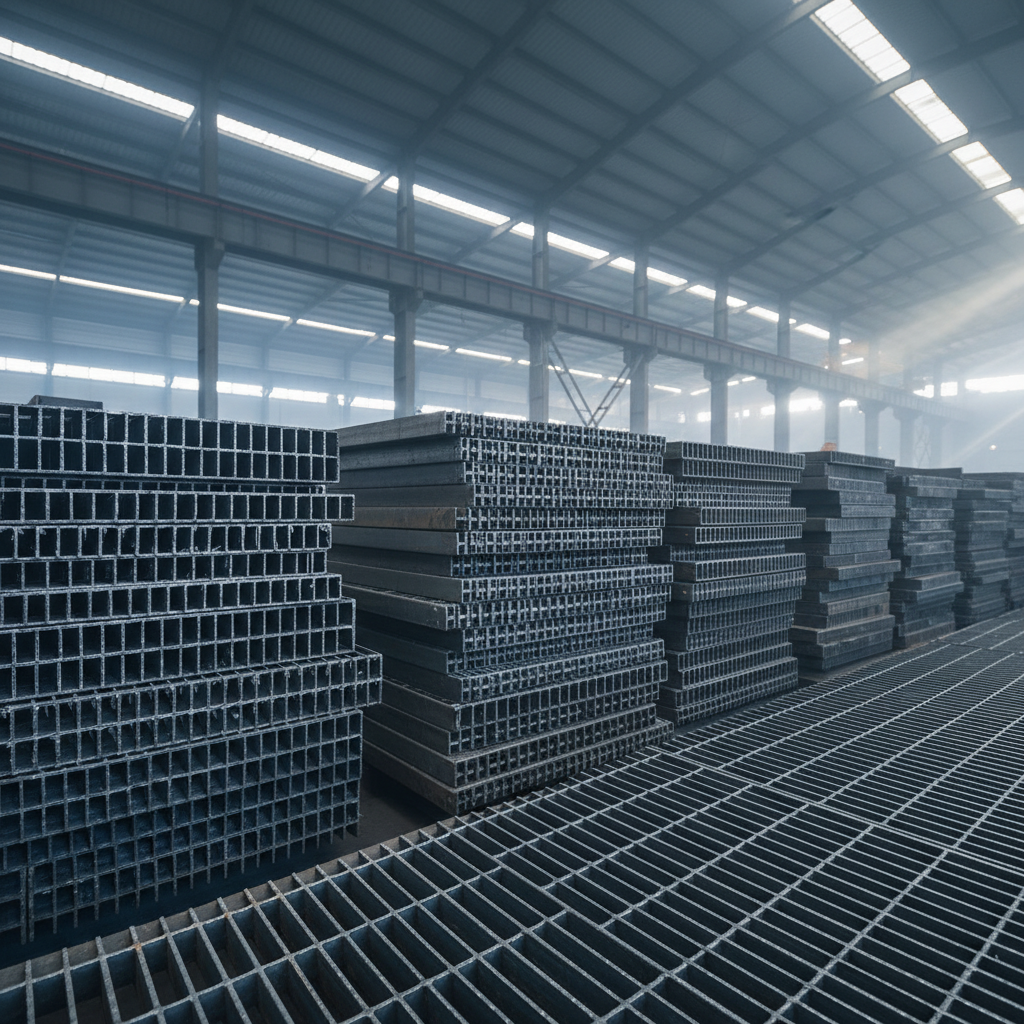
A metal grating floor is a structural surface composed of load-bearing bars and cross-bars, welded or pressed together to form a grid. Unlike solid plating, the open-grid design allows for the seamless passage of liquids, air, and light, making it a superior choice for mezzanines, catwalks, and drainage covers.
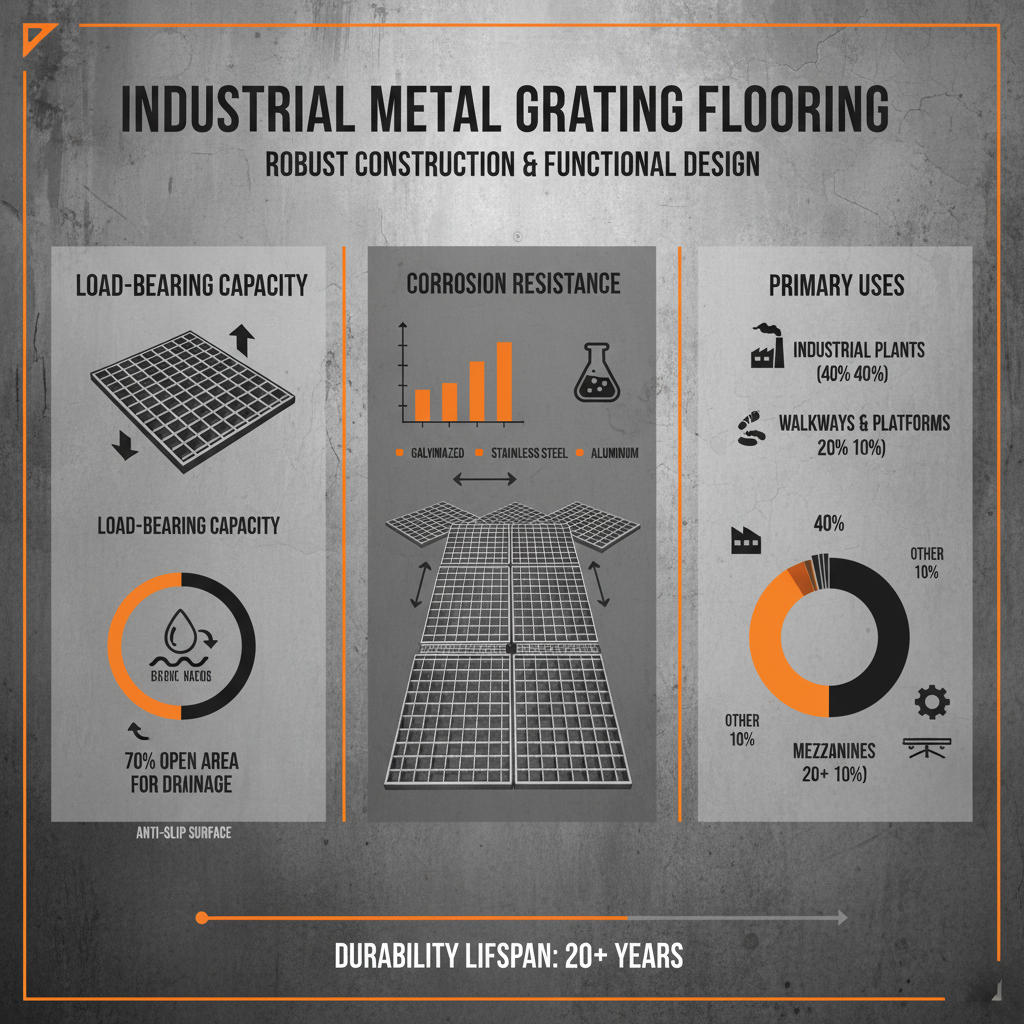
In modern industry, this solution bridges the gap between raw strength and functional permeability. By utilizing materials such as carbon steel, stainless steel, or aluminum, these floors are engineered to meet specific PSI (pounds per square inch) requirements, ensuring they can support heavy machinery and high foot traffic without deformation.
Beyond mere utility, the evolution of these floors reflects a commitment to humanitarian safety standards. By reducing the accumulation of debris and oils on walking surfaces, they directly mitigate the risk of industrial accidents, aligning with global occupational health and safety goals.
Key Factors for Metal Grating Floor Performance
Durability is the cornerstone of any metal grating floor. This is achieved through a combination of precise material selection and high-quality surface treatments, such as hot-dip galvanizing, which creates a sacrificial zinc layer to protect the internal steel from oxidation.
Load-bearing capacity and scalability are equally vital. Depending on the application, the spacing between the bearing bars is adjusted to handle different weights, ensuring that the metal grating floor remains rigid under pressure while remaining lightweight enough for easy installation.
Finally, cost-efficiency and ease of maintenance define the long-term viability of the installation. Because these floors are modular, damaged sections can be replaced individually without dismantling the entire structure, significantly reducing downtime for critical industrial operations.
Global Applications & Use Cases
The versatility of the metal grating floor allows it to be deployed across diverse environments. In the oil and gas sector, specifically on offshore platforms in the North Sea or Gulf of Mexico, these gratings are essential for preventing the buildup of hazardous liquids and ensuring maximum grip for crew members.
In urban infrastructure, such as subway ventilation shafts and municipal drainage systems in cities like Tokyo or New York, these gratings provide a safe walking surface while allowing the city to "breathe" and manage stormwater effectively. Their ability to withstand extreme compressive loads makes them ideal for high-traffic public zones.
Comparative Performance of Metal Grating Floor Types
Advantages & Long-Term Value
The most immediate advantage of a metal grating floor is the dramatic increase in safety. By providing a non-slip surface that resists the accumulation of water, oil, and snow, companies can lower their insurance premiums and reduce the frequency of workplace injuries, creating a culture of trust and reliability.
From a financial perspective, the long-term value lies in the sustainability of the materials. High-grade steel gratings are 100% recyclable at the end of their lifecycle, fitting perfectly into the "Circular Economy" model. This reduces the environmental footprint of industrial construction while providing a lifespan that can exceed 30 years with minimal maintenance.
Future Trends & Innovations
The future of the metal grating floor is moving toward "smart" integration. We are seeing the emergence of gratings embedded with sensor technology that can detect structural stress, vibration, or chemical leaks in real-time, alerting facility managers before a failure occurs.
Material science is also evolving, with the introduction of nano-coatings that offer superior hydrophobicity and anti-corrosive properties far beyond traditional galvanization. These innovations allow for thinner, lighter profiles without sacrificing the load-bearing strength required for heavy-duty applications.
Furthermore, automation in manufacturing, such as robotic plasma cutting and AI-driven load optimization, is allowing for highly customized grating patterns. This ensures that every metal grating floor is precisely engineered for its specific environment, reducing material waste and installation time.
Challenges & Solutions in Implementation
One of the primary challenges in installing a metal grating floor is the potential for noise pollution caused by footsteps on metallic surfaces. To solve this, engineers are increasingly using rubberized gaskets and dampened fastening systems that absorb impact energy and reduce acoustic resonance.
Another common limitation is the "heel-trap" or small-object drop risk associated with wide grid apertures. The solution is the implementation of "flat bar" gratings or the addition of a perforated metal overlay, which maintains drainage benefits while providing a more continuous walking surface for personnel.
Finally, the initial cost of premium materials like stainless steel can be a barrier. However, by performing a Life Cycle Cost Analysis (LCCA), it becomes clear that the reduced need for replacement and painting makes high-end metal grating floor systems more economical over a ten-year period than cheaper, low-grade alternatives.
Performance Analysis of Various Metal Grating Floor Specifications
| Material Type |
Corrosion Resistance |
Load Capacity |
Maintenance Need |
| Hot-Dip Galvanized |
High |
Very High |
Low |
| Stainless Steel 304 |
Excellent |
High |
Very Low |
| Aluminum Alloy |
Medium-High |
Medium |
Low |
| Carbon Steel (Painted) |
Low |
Very High |
High |
| Stainless Steel 316 |
Superior |
High |
Minimal |
| Electro-Galvanized |
Medium |
High |
Medium |
FAQS
Choosing the right load capacity requires calculating the maximum expected weight (including machinery and personnel) that will occupy the area. You must consider both "concentrated loads" (a heavy point) and "uniformly distributed loads." We recommend consulting a structural engineer to determine the required bar thickness and spacing to ensure the floor does not deflect beyond permissible limits.
It depends on the environment. Hot-dip galvanized steel is highly cost-effective and durable for most outdoor industrial settings. However, in highly corrosive environments—such as chemical plants or coastal areas with salt spray—stainless steel (specifically Grade 316) is superior because it does not rely on a coating that can chip or wear off over time.
Yes, but only if you use stainless steel gratings. Stainless steel is non-porous, resists corrosion from cleaning chemicals, and does not flake, making it hygienic and compliant with food safety standards. Galvanized steel is generally avoided in direct food-contact zones due to the risk of zinc oxidation.
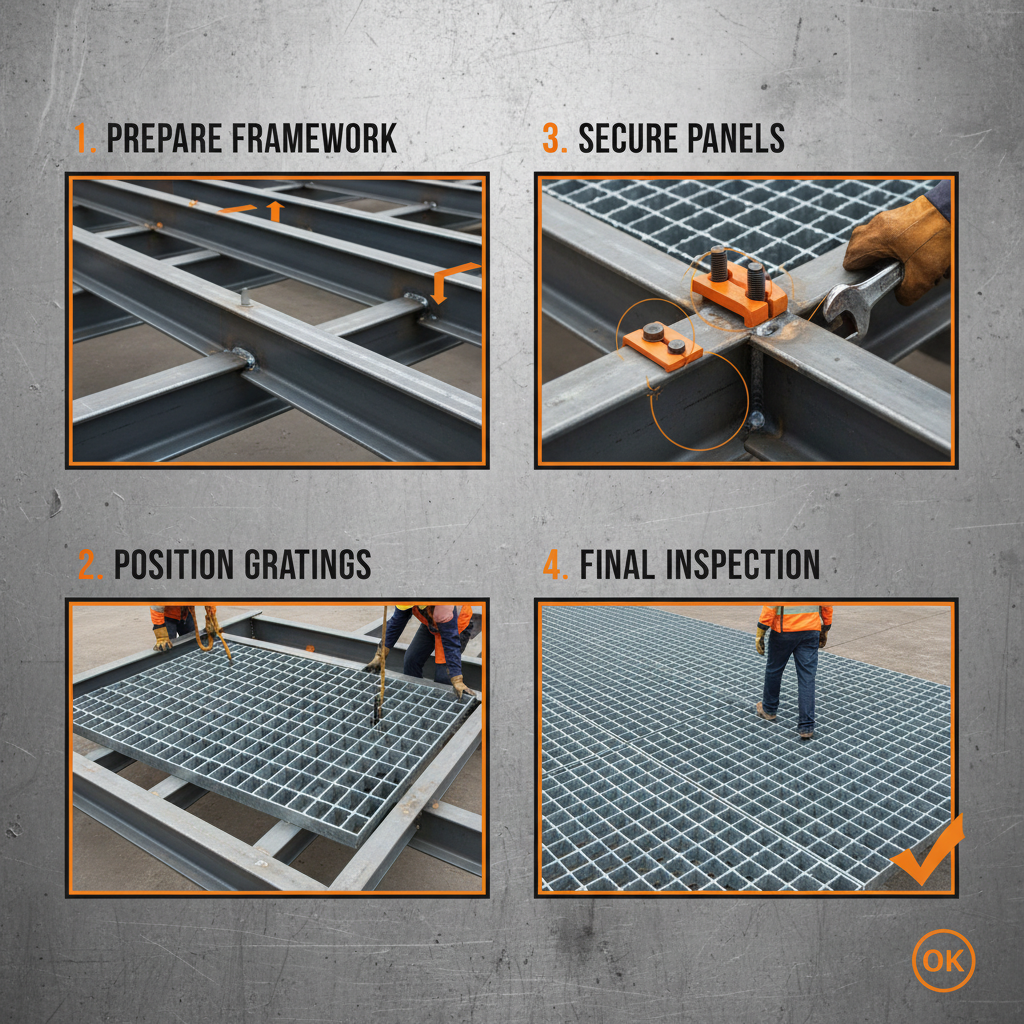
Installation usually involves securing the grating panels to a supporting frame (like an I-beam) using grating clips or weldments. Clips are preferred for most applications as they allow for thermal expansion and make it easier to replace individual panels in the future without needing to cut the metal.
With proper material selection and coating, a high-quality metal grating floor can last between 20 to 50 years. Stainless steel and hot-dip galvanized options typically last the longest. Lifespan is primarily affected by the aggressiveness of the environment and the frequency of heavy load impact.
Absolutely. Many metal grating floors come with "serrated" bearing bars, which provide a rougher surface to increase friction and prevent slips in oily or wet conditions. Alternatively, anti-slip coatings or rubber inserts can be integrated into the design for extreme safety requirements.
Conclusion
In summary, the metal grating floor is an indispensable component of modern industrial architecture, blending strength, safety, and functionality. By addressing the critical needs of drainage, ventilation, and load-bearing capacity, it ensures that operational environments remain safe and efficient, regardless of the external challenges posed by corrosion or heavy usage.
As we look toward the future, the integration of smart materials and sustainable manufacturing will further elevate the value of these flooring systems. For businesses seeking to upgrade their infrastructure, investing in high-quality, certified grating solutions is a strategic move that guarantees long-term reliability and worker protection. Visit our website: www.chengsenwiremesh.com




.png "E-mail")