In the demanding world of industrial flooring and structural support, rs grating has emerged as a cornerstone for safety and efficiency. As global infrastructure expands, the need for high-strength, permeable surfacing that can withstand extreme mechanical loads while preventing liquid accumulation has become paramount. Whether in chemical plants or offshore platforms, this specialized grating provides the critical balance between structural integrity and operational safety.
The global transition toward more sustainable and durable construction materials has put a spotlight on the engineering behind rs grating. By utilizing advanced metallurgy and precision welding, these systems reduce the overall weight of structures without compromising load-bearing capacities. This efficiency is not just a matter of cost, but a necessity for meeting modern ISO safety standards and reducing the carbon footprint of large-scale industrial installations.
Understanding the technical nuances of rs grating allows engineers and procurement managers to optimize their facility layouts for better drainage, ventilation, and worker ergonomics. In an era where downtime is measured in thousands of dollars per minute, investing in a surfacing solution that resists corrosion and simplifies maintenance is a strategic business decision. This guide explores the comprehensive utility, application, and future of these high-performance metal structures.
The Industrial Significance of rs grating
The adoption of rs grating is driven by the relentless pursuit of workplace safety in high-risk environments. By providing a non-slip surface and allowing for the immediate drainage of oils, water, and debris, it effectively eliminates the primary causes of slip-and-fall accidents in heavy industry. This makes it an indispensable component for walkways, mezzanines, and drainage covers where traditional solid flooring would pose a significant hazard.
Beyond safety, the structural efficiency of these gratings allows for maximum airflow and light penetration. In large-scale manufacturing plants, this reduces the need for artificial lighting in lower levels and improves the effectiveness of HVAC systems by allowing air to circulate freely through the floor. Consequently, the integration of this system contributes to a healthier, more energy-efficient operational environment.
Technical Specifications and Core Components
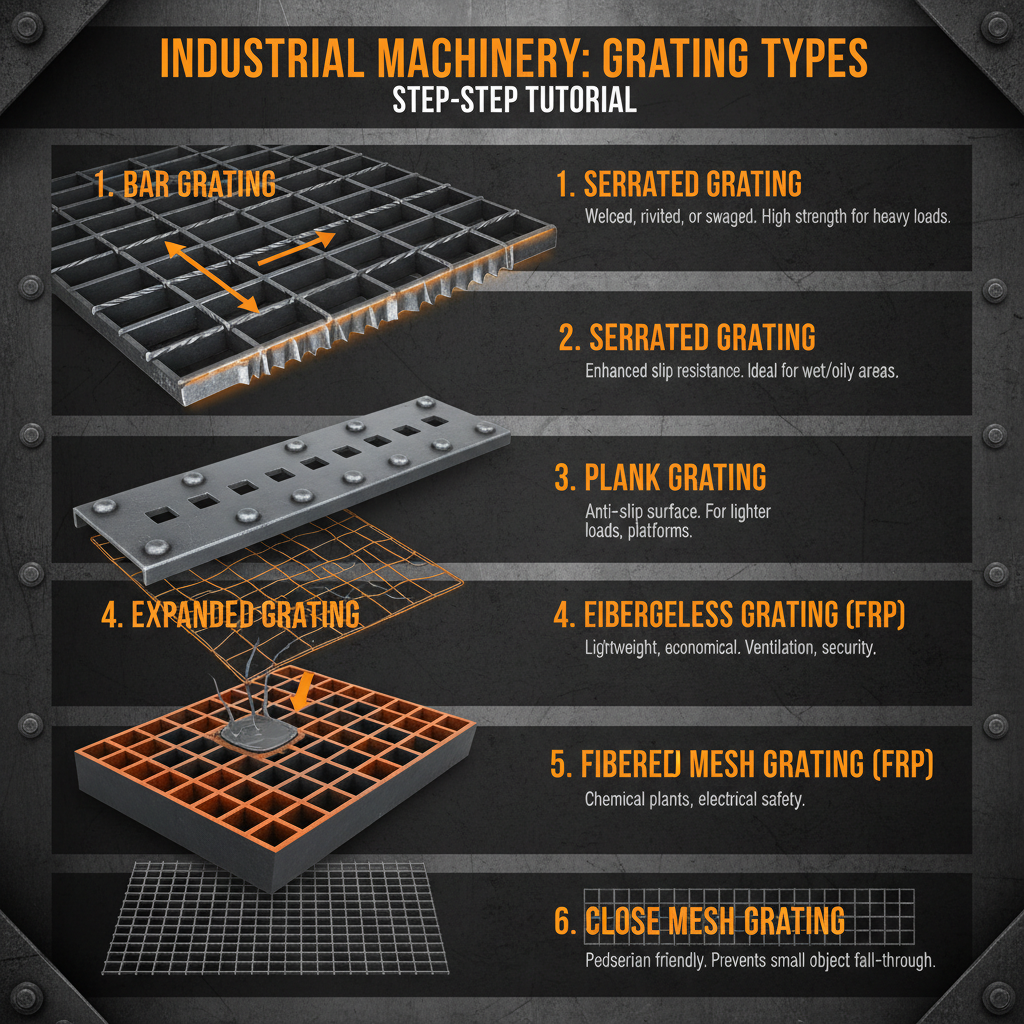
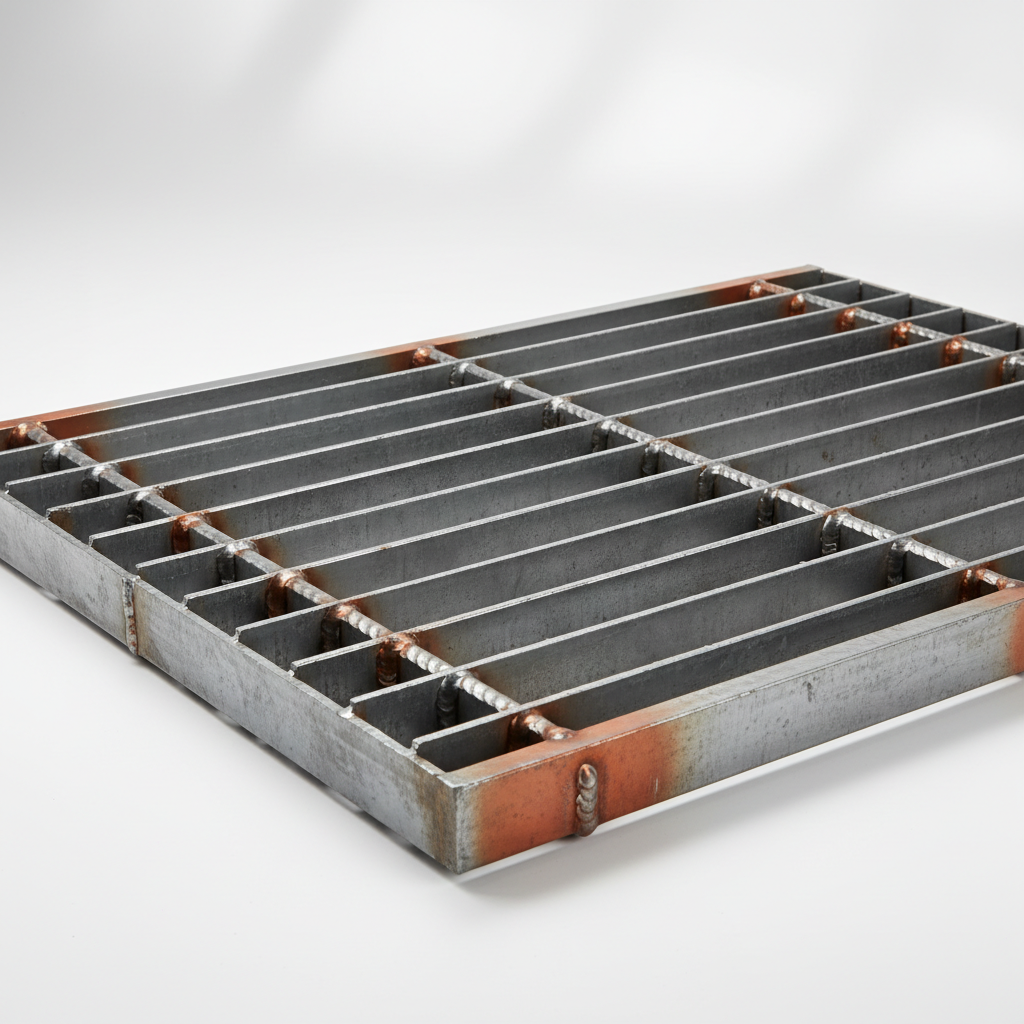
At its core, rs grating consists of load-bearing bars and cross-bars that are fused together through high-pressure welding or interlocking mechanisms. The precision of the spacing between these bars is critical, as it determines both the weight-bearing capacity and the permeability of the panel. Depending on the application, engineers can specify different pitch dimensions to balance strength with the specific filtration or drainage requirements of the site.
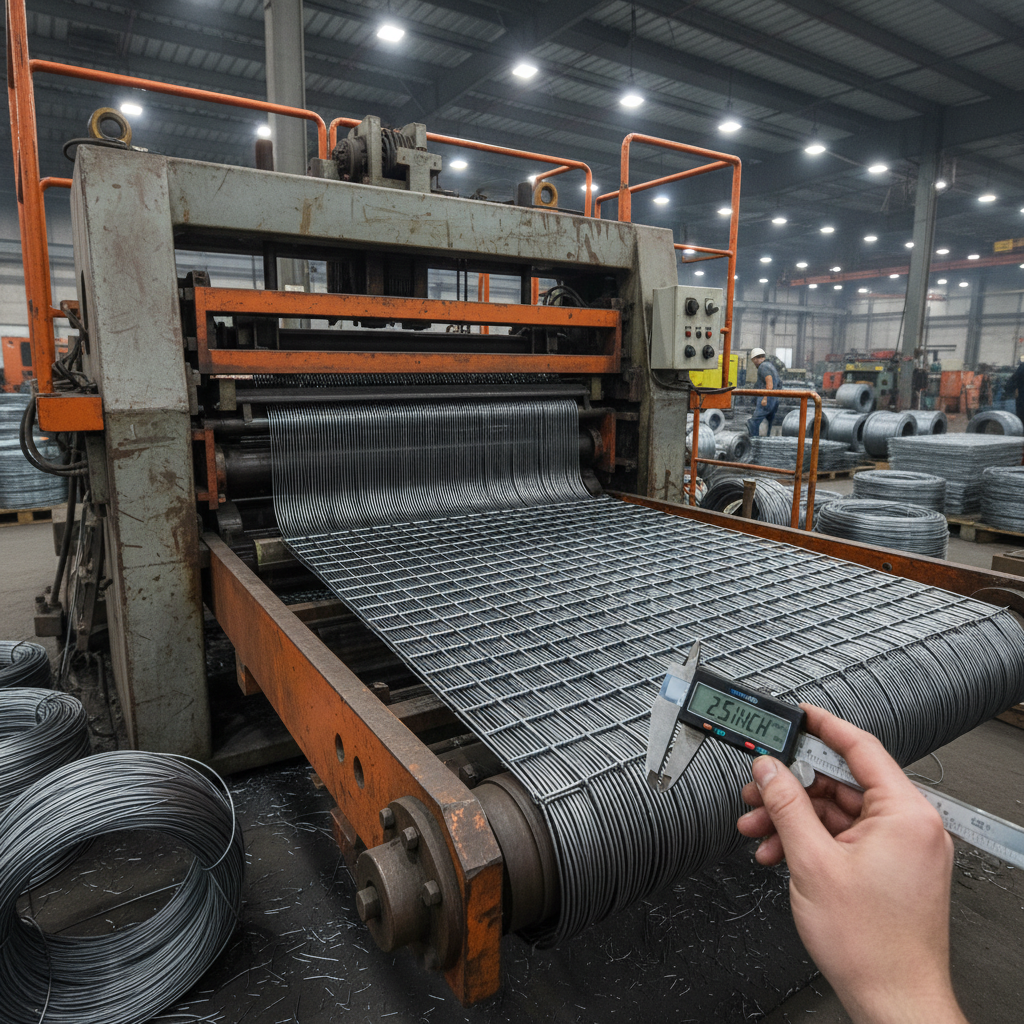
The manufacturing process involves strict adherence to dimensional tolerances to ensure that panels fit perfectly into their supporting frames. This minimizes the risk of movement or "rattling," which can lead to premature wear and potential safety risks for personnel walking over the surface. High-quality fabrication ensures that each intersection is fully fused, distributing the load evenly across the entire surface area.
Furthermore, the versatility of the system allows for the addition of "serrated" top bars. These serrations provide an aggressive grip for footwear, which is essential in environments where the surface is frequently coated in grease or chemicals. By customizing these core components, the grating can be tailored to meet the specific demands of any industrial setting, from light pedestrian traffic to heavy machinery transport.
Material Composition and Corrosion Resistance
The longevity of rs grating depends heavily on the material choice and the protective coating applied. Carbon steel remains a popular choice for internal applications, provided it is treated with a high-quality primer and powder coating to prevent oxidation. However, for more aggressive environments, the industry has pivoted toward specialized alloys.
Hot-dip galvanizing is the gold standard for protecting rs grating against atmospheric corrosion. This process creates a metallurgical bond between the zinc and the steel, ensuring that even if the surface is scratched, the underlying metal remains protected through cathodic action. This is particularly critical in coastal regions or chemical processing plants where salt spray and acid fumes are prevalent.
For the most extreme conditions, stainless steel variants of rs grating are utilized. These alloys, typically 304 or 316 grade, offer inherent corrosion resistance without the need for additional coatings. While the initial investment is higher, the lifecycle cost is significantly lower due to the virtual elimination of replacement and repainting needs over several decades.
Performance Comparison and Load Analysis
Analyzing the performance of rs grating requires a look at the load-to-weight ratio. Unlike solid steel plates, which are heavy and block all fluid movement, the open-grid design provides immense vertical strength while remaining lightweight. This reduces the dead load on the supporting beams of a structure, allowing for more economical building designs.
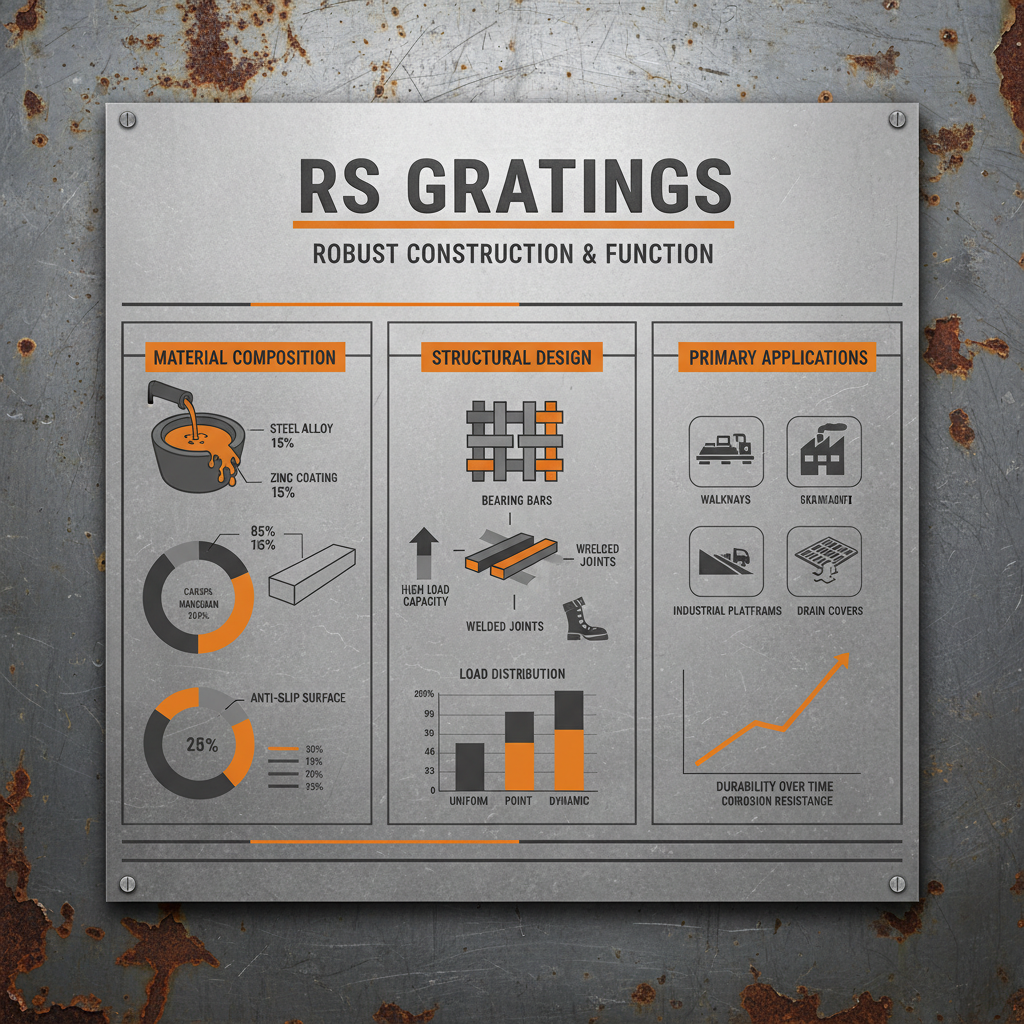
When evaluating different configurations, the "bearing bar" height is the most significant factor in determining the maximum allowable load. A taller bar increases the moment of inertia, thereby reducing deflection under heavy pressure. This makes the system adaptable for everything from simple walkway covers to heavy-duty industrial platforms.
Comparative Performance of rs grating Configurations
Global Applications and Use Cases
Around the globe, rs grating is integrated into critical infrastructure across diverse sectors. In the oil and gas industry, it is the standard for offshore rig flooring, where the ability to let seawater and oil drain immediately is a vital safety requirement. Similarly, in wastewater treatment plants, the chemical resistance of specialized gratings ensures that walkways remain intact despite constant exposure to corrosive effluents.
Beyond heavy industry, the system is increasingly used in urban architectural designs. From ventilation grates in modern subway systems to decorative yet functional walkways in public parks, the versatility of the grid pattern provides a clean, industrial aesthetic. In remote mining zones in Australia or Canada, the ease of transport and rapid installation of these modular panels makes them the preferred choice for building temporary access roads and platforming.
Long-Term Value and Sustainability
The long-term value of rs grating extends beyond its initial installation. Because it is designed for durability, the replacement cycle is significantly longer than that of timber or thin-gauge sheet metal. This longevity translates directly into lower maintenance costs and fewer operational disruptions, providing a high return on investment (ROI) for facility managers.
From a sustainability perspective, the materials used in these gratings are almost entirely recyclable. Steel and aluminum can be melted down and reused without loss of properties, aligning with the circular economy goals of modern industry. Furthermore, by reducing the amount of material needed to achieve a specific load capacity, the overall energy expenditure during the manufacturing process is minimized.
Additionally, the safety benefits contribute to a more sustainable workforce. By reducing the frequency of workplace injuries, companies avoid the social and financial costs associated with accidents. The reliability of the system fosters a culture of trust and safety, ensuring that workers can move through hazardous zones with confidence, which is an intangible but critical value for any organization.
Future Innovations in Grating Technology
The future of rs grating is being shaped by the integration of smart materials and automated fabrication. We are seeing the rise of "smart gratings" embedded with sensors that can monitor structural stress or detect leaks in the piping systems located beneath the floor. This digital transformation allows for predictive maintenance, where a panel can be replaced before a failure occurs.
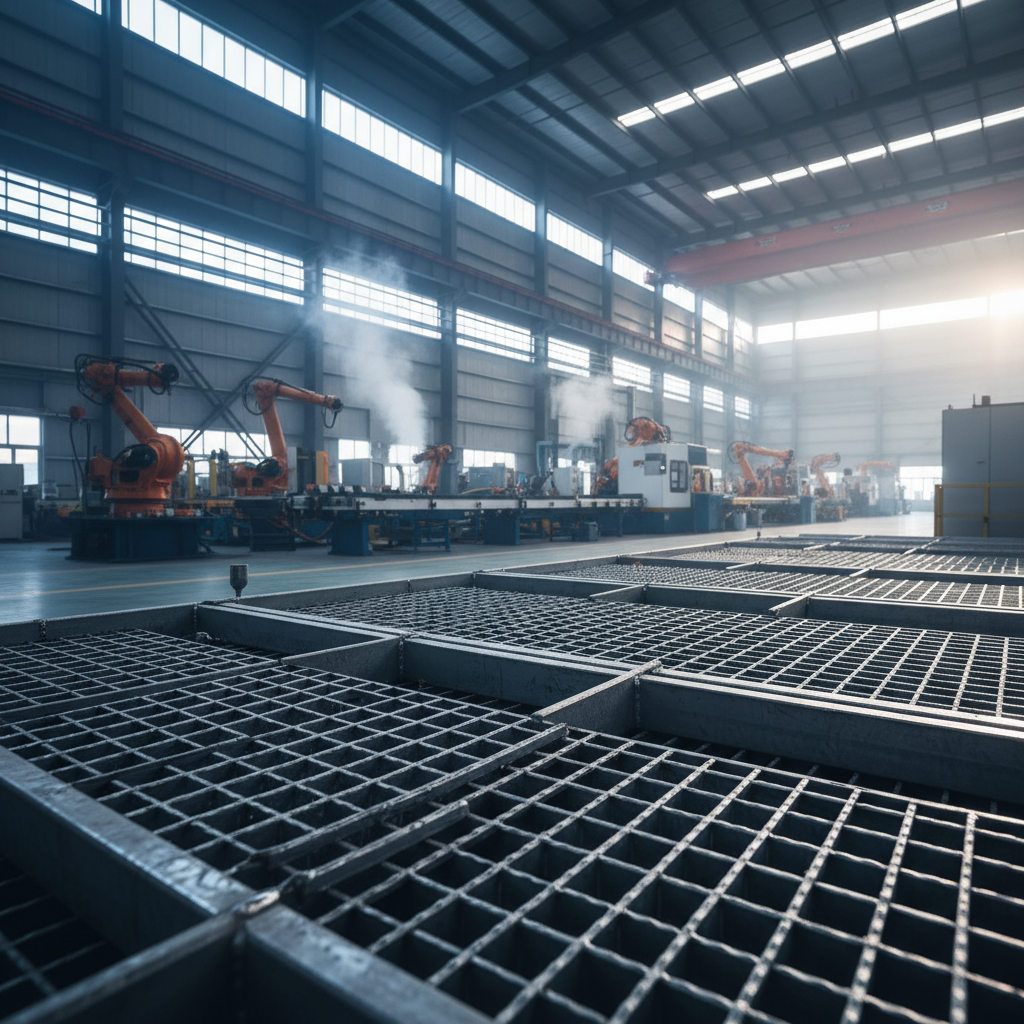
Moreover, the development of advanced composite coatings is pushing the boundaries of corrosion resistance. New nano-coatings are being tested that provide an impenetrable barrier against the most aggressive acids, potentially extending the life of carbon steel gratings to match that of expensive stainless steel. Automation in welding is also ensuring that every single joint is perfectly consistent, eliminating human error and increasing the overall safety factor.
Finally, the move toward "Green Steel"—steel produced using hydrogen instead of coal—will further reduce the environmental impact of rs grating. As the industry evolves, the focus will remain on balancing extreme strength with minimal environmental footprints, ensuring that infrastructure is not only safe but also ethically produced.
Comparative Analysis of rs grating Material Options
| Material Type |
Corrosion Resistance |
Load Capacity |
Lifecycle Cost |
| Galvanized Steel |
High |
Very High |
Low-Medium |
| Stainless Steel 316 |
Extreme |
High |
Very Low |
| Aluminum Alloy |
Medium-High |
Medium |
Medium |
| FRP Composite |
Extreme |
Medium |
Low |
| Powder Coated Steel |
Medium |
Very High |
Medium-High |
| Carbon Steel (Raw) |
Low |
Very High |
High |
FAQS
Galvanized rs grating is carbon steel coated with zinc, offering excellent protection for most industrial uses at a lower cost. Stainless rs grating is made from an alloy that is inherently corrosion-resistant, making it essential for highly acidic or saline environments where zinc coatings would eventually fail. While stainless is more expensive upfront, it typically offers a longer service life in extreme conditions.
Calculating the required load capacity involves analyzing the weight of the intended traffic (pedestrians vs. heavy machinery), the span between the supports, and the frequency of the load. We recommend consulting with a structural engineer to determine the "Uniformly Distributed Load" (UDL) and "Concentrated Load" requirements to ensure the grating thickness and bar spacing are sufficient for safety.
Yes, absolutely. Most professional manufacturers offer custom cutting and fabrication to fit specific site footprints. Customizations can include specific hole cut-outs for piping, unique perimeter trimming, and tailored bar spacing. Providing a precise CAD drawing ensures a seamless fit and reduces installation time on-site.
Serrated surfaces are superior for traction in oily, wet, or icy conditions, significantly reducing slip risks. However, they can be abrasive to certain types of footwear or sensitive equipment. For clean, indoor environments with low moisture, plain surfaces are often preferred for comfort and ease of cleaning. The choice depends entirely on the environmental hazards of your specific workplace.
Inspection intervals vary by environment. In highly corrosive areas, a quarterly check for signs of oxidation or coating failure is recommended. In standard industrial settings, an annual inspection is usually sufficient. Key areas to check include the weld points and the supporting edges, as these are the most common points of stress and wear.
Yes, specifically because they are made from recyclable metals. The longevity of the product also means fewer materials are consumed over the building's lifecycle. When combined with low-VOC powder coatings and energy-efficient manufacturing processes, rs grating represents a sustainable choice for modern industrial infrastructure.
Conclusion
In summary, rs grating represents the intersection of structural engineering and operational safety. From its critical role in preventing industrial accidents through superior drainage and traction to its ability to withstand the harshest corrosive environments, it is an essential component of modern infrastructure. By selecting the right material and configuration, businesses can ensure a safe, durable, and cost-effective flooring solution that meets global safety standards.
Looking forward, the integration of smart monitoring and sustainable "Green Steel" will further elevate the utility of these systems. As industries continue to push the boundaries of efficiency and environmental responsibility, investing in high-quality metal structures is no longer just an option—it is a strategic imperative. For those seeking to optimize their facility's safety and longevity, we invite you to explore our professional solutions. Visit our website: www.chengsenwiremesh.com




.png "E-mail")