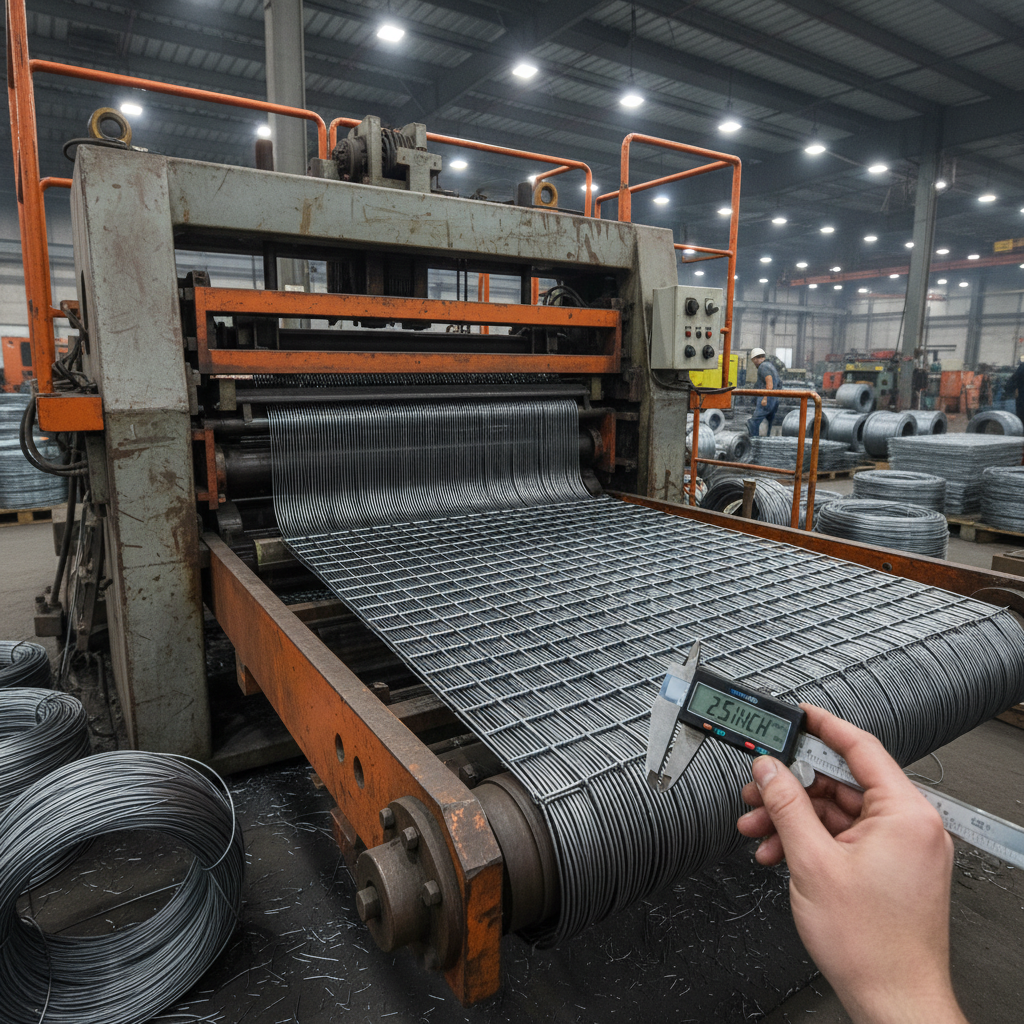
You know, these days everyone's talking about prefabrication. It's all the rage, modular this, modular that. To be honest, it's a bit tiring hearing about it constantly. Been seeing a lot more galvanized steel wire mesh being used for reinforcement in these pre-fab concrete panels. Seems like everyone's trying to speed things up, cut costs. Makes sense, I guess. But you quickly learn that shortcuts often come with a price.
I've been doing this long enough to see trends come and go. Remember when everyone swore by a specific brand of epoxy? Thought it was the holy grail. Then, boom, batch issues, adhesion failures. Now, it's all about the wire mesh suppliers and finding the right combination of tensile strength and corrosion resistance. That’s the real battle. It’s a global game now too – sourcing from China, Turkey, everywhere. Quality control is a headache, let me tell you.
What most folks don't realize is how much the little details matter. We just finished a project where the contractor went cheap on the wire mesh, opting for a thinner gauge. Looked fine on paper. But on site, when the concrete was poured, it started to shift during vibration. Nearly caused a complete rework. It’s the stuff you don’t see in the specs that bites you.
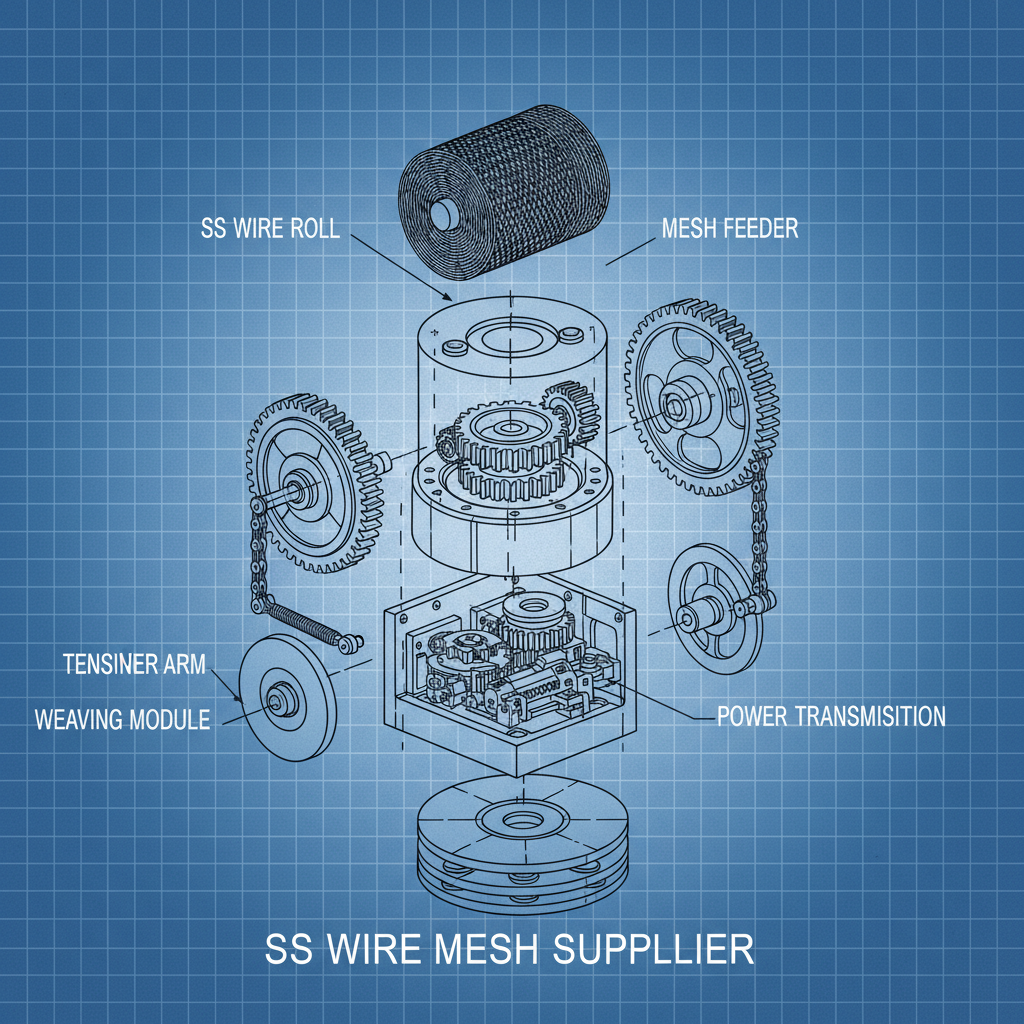
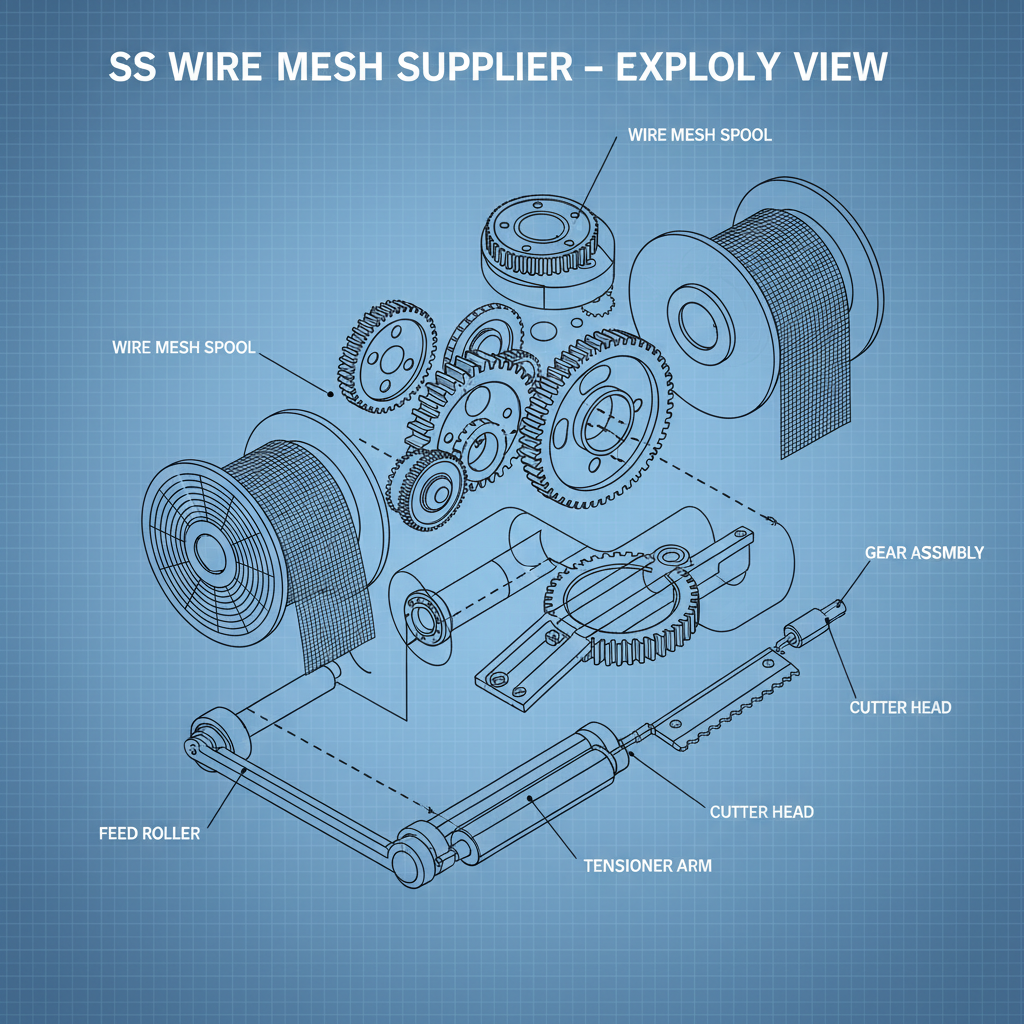
Honestly, the push for prefabrication is understandable. Labor costs are soaring, timelines are shrinking. Everyone wants faster construction. But it throws up a whole new set of challenges, especially with the reinforcement. You've got to consider transportation, handling, and how the wire mesh interacts with the concrete during the precasting process. It’s not just slapping some steel in there and hoping for the best.
I saw one project in Dubai last year where they were using a specialized coated wire mesh to combat the harsh marine environment. Smelled… peculiar. Kind of like burnt rubber, strangely. The supplier swore it was the coating preventing corrosion. I just hoped it wouldn’t affect the concrete bond. These wire mesh suppliers are popping up everywhere, especially from Asia, and finding reliable ones is a full-time job.
Honestly, it's underestimating the importance of corrosion resistance. People think galvanized steel will do for everything. It won't. Especially in coastal areas or environments with high salt content, you need stainless steel or a high-quality coating. Ignoring this can lead to premature failure and costly repairs. The cost savings upfront aren't worth it in the long run.
I always ask for mill certificates and independent test reports. But even those can be faked. The best way is to visit their factory and see their quality control processes firsthand. Look for consistent welding, uniform coatings, and proper storage to prevent damage. And don't be afraid to ask tough questions. A reputable supplier will be happy to answer them.
Welded wire mesh is generally stronger and more rigid, making it ideal for applications where you need a precise grid pattern. Woven wire mesh is more flexible and can conform to curved surfaces. The choice depends on the specific application. For example, welded mesh is great for precast concrete panels, while woven mesh is often used for fencing. It’s that simple.
Yes, absolutely. Steel wire mesh is highly recyclable. It’s a good practice to send scrap mesh back to the supplier or a local recycling center. It reduces waste and conserves resources. We're seeing more and more projects prioritize sustainability, which includes using recyclable materials like wire mesh.
Check for any signs of damage during shipping – dents, bends, or broken welds. Inspect the coating for any gaps or imperfections. Verify that the mesh size and gauge match the specifications on the order. And make sure the mesh is properly labeled and documented. A thorough inspection can save you a lot of headaches down the road.
Extreme temperatures can affect the steel's tensile strength and ductility. In very cold climates, the mesh can become brittle and more prone to cracking. In hot climates, it can expand and contract, potentially causing stress on the concrete. Choosing the right grade of steel and ensuring proper installation are crucial to mitigate these effects.
So, where does that leave us? Wire mesh is a fundamental building material, but it's often taken for granted. Understanding the nuances – the materials, the testing, the real-world applications – is critical to ensuring the longevity and safety of any structure. It’s about more than just meeting specs; it’s about knowing what will actually work in the field.
Ultimately, whether this thing works or not, the worker will know the moment he tightens the screw. And if he looks at that mesh and has a bad feeling? Listen to him. That’s experience you can’t buy. If you’re looking for reliable wire mesh suppliers, visit our website at www.chengsenwiremesh.com.

Contact Us
WELCOME TO OUR COMPANY!
Thank you for your interest in our services! If you have any questions or wousld like to book a service, please don’t hesitate to contact us. Our team is dedicated to providing you with the highest level of service and support, and we are committed to working with you to make your event a success.

Service Email

Service Phone
Product Center
Contact Us


.png "E-mail")