

.png "E-mail")

Apr . 16, 2026 03:08 Back to list
19w4 Grating Specifications and Industrial Application Guide
The Ultimate Guide to 19w4 Grating: Specifications and Applications
In the world of industrial flooring and structural platforms, selecting the right grating is critical for safety, load-bearing capacity, and longevity. The 19w4 grating is a widely recognized standard in the industry, offering a precise balance of strength and permeability. Whether you are designing a mezzanine, an industrial walkway, or a drainage cover, understanding the technical nuances of this specific grating profile ensures that your project meets strict engineering codes. In this comprehensive guide, we will explore why the 19w4 configuration is a preferred choice for engineers and procurement managers worldwide.
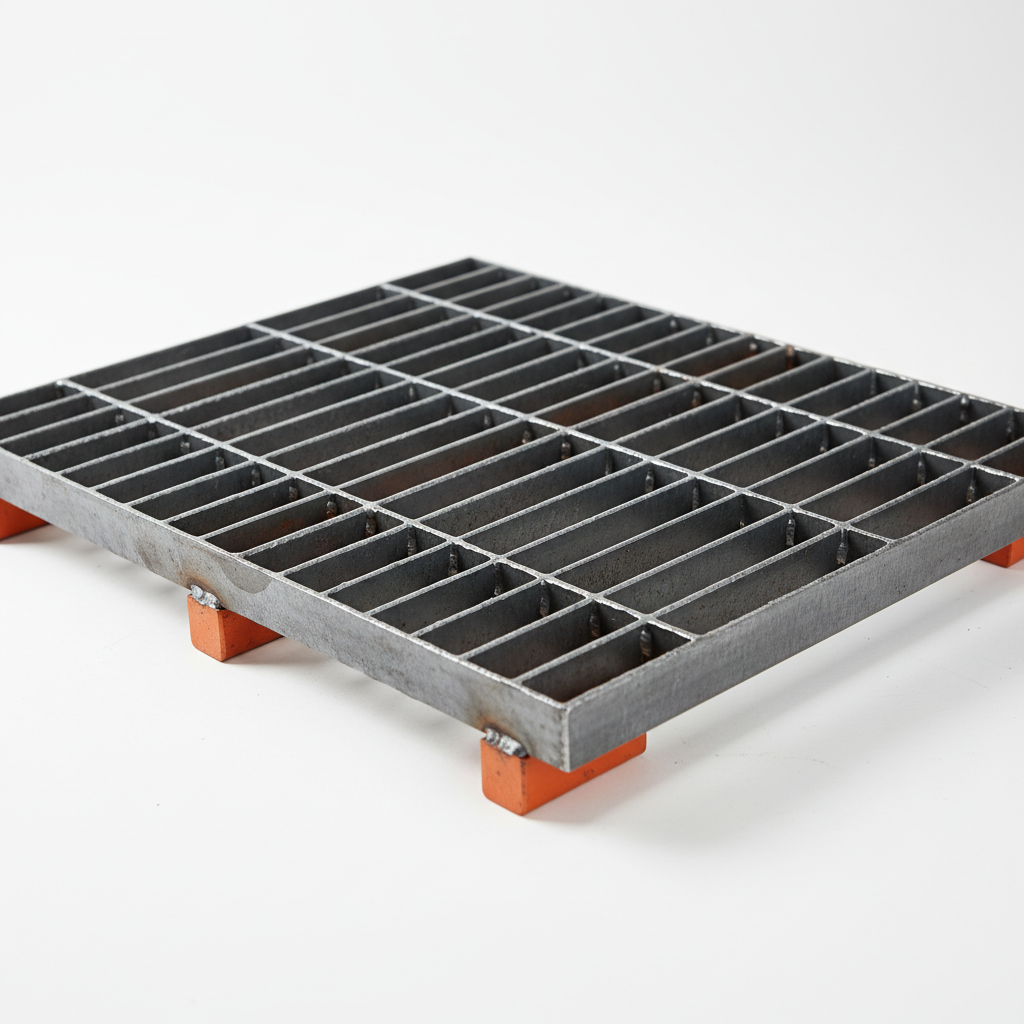
Understanding the Technical Specs of 19w4 Grating
When we discuss 19w4 grating, we are referring to a specific bearing bar dimension and spacing configuration. The "19" typically refers to the height of the bearing bar (19mm), while "w4" denotes the thickness or a specific weight class associated with the structural capacity. This combination is engineered to provide high rigidity while maintaining a lightweight profile compared to heavier industrial gratings. By utilizing high-grade carbon steel or stainless steel, this grating ensures that it can withstand significant point loads without excessive deflection, making it an ideal choice for medium-duty industrial applications.
Engineer's Note: The load-bearing efficiency of 19w4 grating is largely dependent on the span between supports. Always consult a structural load table to ensure the safety factor is maintained for your specific occupancy load.
Key Advantages of Using 19w4 Grating in Industry
One of the primary reasons for the popularity of the 19w4 grating is its exceptional versatility. Unlike solid plates, grating allows for the passage of air, light, and liquids, which is essential for ventilation and preventing the accumulation of hazardous materials on walkways. Furthermore, the open-grid structure provides an inherent non-slip surface, which is a critical safety requirement in oil-prone or wet environments. When combined with a hot-dip galvanized finish, the 19w4 grating becomes virtually immune to corrosion, significantly reducing the total cost of ownership by eliminating the need for frequent replacements.
Core Benefits:
• High Permeability: Allows liquids and debris to fall through, keeping surfaces clean.
• Enhanced Safety: Natural grip prevents slips and falls in industrial zones.
• Structural Integrity: Optimized strength-to-weight ratio for efficient installation.
• Corrosion Resistance: Compatible with advanced galvanization and coatings.
Comparison: 19w4 Grating vs. Standard Mesh
Choosing between a structured grating and a standard expanded metal mesh often depends on the expected load. The 19w4 grating is specifically designed for pedestrian and light vehicle traffic, whereas standard mesh is often used for screening or lightweight partitions. The welded construction of the 19w4 model provides far greater lateral stability and a higher modulus of elasticity. This means that under pressure, the grating maintains its shape far more effectively than woven or expanded alternatives.
Common Applications for 19w4 Grating
The application range for 19w4 grating spans across multiple sectors. In the petrochemical industry, it is used for catwalks and stair treads where chemical spills must be managed. In commercial architecture, it is often utilized for aesthetic yet functional ventilation grills and parking garage flooring. Additionally, wastewater treatment plants rely on the open-grid design to facilitate the flow of water while providing a stable platform for technicians. The ability to customize the length and width of the panels makes it adaptable to almost any spatial requirement.
Detailed Product Specifications Table
To help procurement specialists and engineers make an informed decision, it is essential to look at the hard data. The following table outlines the standard specifications for 19w4 grating. These specifications ensure that the product meets international standards for industrial flooring, focusing on dimensional accuracy and material strength.
Conclusion: Optimizing Your Facility with 19w4 Grating
The 19w4 grating represents a perfect intersection of industrial strength and practical design. By providing a safe, durable, and permeable surface, it addresses the most common challenges found in industrial flooring. Whether you are looking to enhance worker safety or build a long-lasting structural platform, the 19w4 configuration offers a reliable solution that meets global engineering standards. Investing in high-quality grating today means fewer maintenance headaches and a safer environment for your workforce tomorrow.
Frequently Asked Questions (FAQs)
How do I determine if 19w4 grating is the right choice for my project?
To determine if this specific grating is suitable, you must evaluate the expected load (weight per square meter) and the span between your support beams. The 19w4 grating is typically categorized as medium-duty. If your platform will support heavy machinery or frequent forklift traffic, you may need a heavier profile. However, for pedestrian walkways, maintenance platforms, and drainage covers, it is often the most cost-effective and structurally sound choice. We recommend providing your load requirements to a professional supplier for a precise calculation.
Can 19w4 grating be customized in terms of size and finish?
Yes, absolutely. While the bearing bar height and thickness follow the 19w4 standard, the overall dimensions of the panels can be customized to fit your specific architectural plans. Furthermore, you can choose from various finishes depending on the environment. Hot-dip galvanizing is the industry standard for outdoor and humid environments, while stainless steel is preferred for food processing or pharmaceutical plants. Powder coating is also an option if specific safety colors (like yellow for hazard zones) are required.
What is the expected lifespan of galvanized 19w4 grating?
The lifespan varies based on the environmental exposure. In a standard industrial indoor environment, hot-dip galvanized 19w4 grating can last several decades with minimal maintenance. In highly corrosive coastal or chemical-heavy environments, the lifespan may be shorter, but it still far outperforms painted steel. Regular inspections for "white rust" or deep pitting are recommended. By choosing high-quality materials from a reputable supplier like Chengsen Wire Mesh, you ensure that the zinc coating is applied uniformly, maximizing the protection of the underlying steel.
Is 19w4 grating slippery when wet?
The inherent design of the 19w4 grating significantly reduces slipperiness compared to solid steel or concrete. Because it is an open grid, liquids flow through the floor rather than pooling on top. The edges of the bearing bars provide natural traction. For environments with extreme oil or ice risks, "serrated" bearing bars can be specified instead of "plain" bars. Serrated grating provides an aggressive grip, making it the safest option for high-risk industrial zones where slip prevention is the absolute priority.
Latest News
-
Heavy Duty Grating Guide for Industrial Flooring and Safety
NewsApr.09,2026
-
Comprehensive Guide to Safety Grating for Workplace Safety and Durability
NewsApr.07,2026
-
Comprehensive Guide to Expanded Steel Grating Types Benefits and Applications
NewsApr.04,2026
-
Comprehensive Guide to Trench Grating Types Materials and Applications
NewsMar.31,2026
-
Comprehensive Guide to Understanding Durable Composite Grating Solutions
NewsMar.28,2026
Our company owns has excellent CAD steel grating drawing designers, who can provide customers with perfect steel grating layout design and better meet customers' special requirements for products. We have been adhering to it the business tenet of "quality first, customer first", with high-quality products, reasonable prices, and the fastest delivery time, we wholeheartedly provide customers with a full range of services! Welcome new and old customers to cooperate sincerely and create brilliance together!
Contact Us
WELCOME TO OUR COMPANY!
Thank you for your interest in our services! If you have any questions or wousld like to book a service, please don’t hesitate to contact us. Our team is dedicated to providing you with the highest level of service and support, and we are committed to working with you to make your event a success.

Service Email

Service Phone
Product Center
Contact Us
- Phone: +86 +86 15733154345
- E-mail: sales@chengsenchina.com
- Address: B1213 GLOBAL CENTER, NO.226 ZHONGHUA NORTH STREET, SHIJIAHUANG, CHINA


