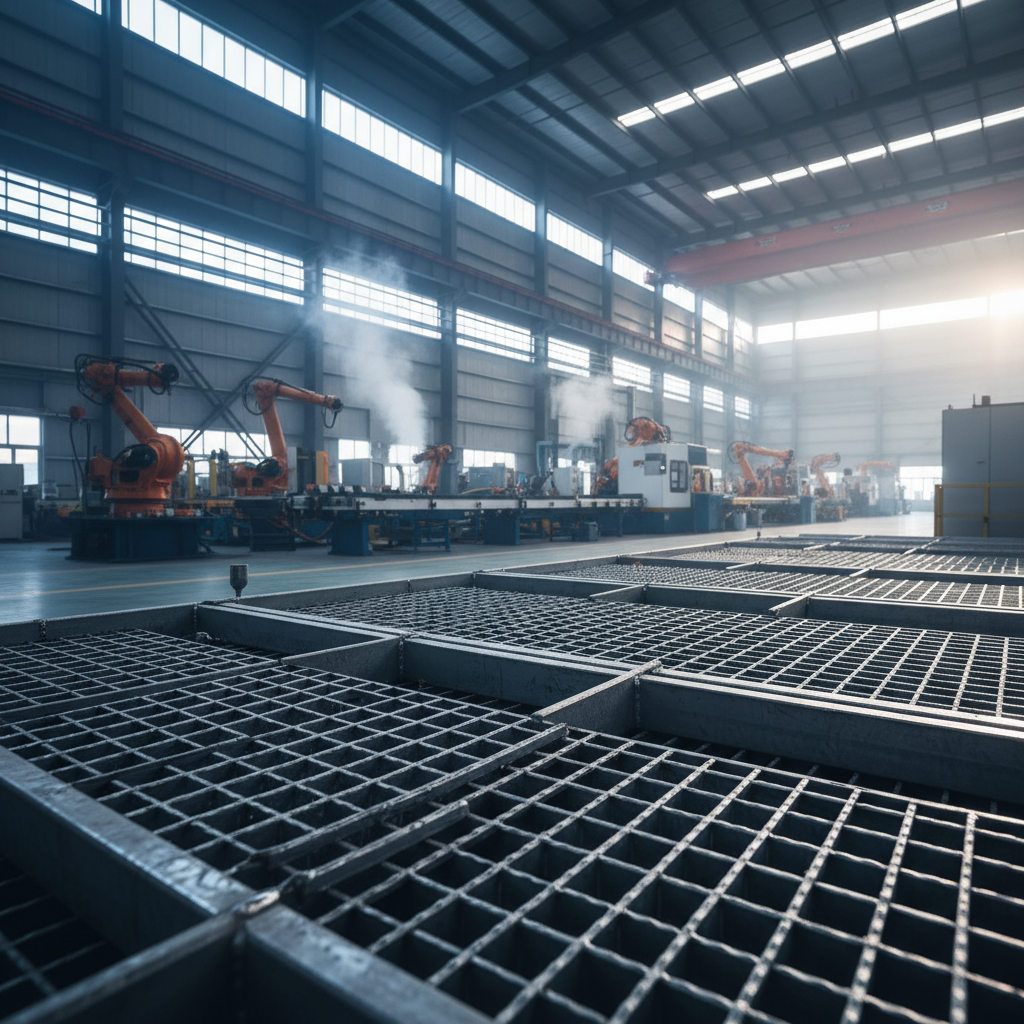
In the demanding environments of modern heavy industry, the necessity for robust, slip-resistant, and durable flooring solutions has led to the widespread adoption of industrial grating. These engineered structures are more than just metal grids; they are critical safety components that ensure operational continuity in oil rigs, chemical plants, and manufacturing hubs across the globe. By providing a stable walking surface that allows for the drainage of liquids and the passage of air, they mitigate the risks of accidents while maximizing spatial efficiency.
The global demand for high-performance industrial grating is driven by stringent international safety standards and the push for infrastructure modernization. Whether it is the use of galvanized steel for extreme weather resistance or FRP for corrosive chemical environments, the versatility of these systems allows engineers to tailor the structural support to the specific needs of the site. Understanding the nuances of material selection and load-bearing capacity is essential for any project manager aiming to reduce long-term maintenance costs.
Integrating a professional grating system into an industrial layout does not only address safety but also enhances the overall productivity of a facility. By reducing debris accumulation and preventing the buildup of hazardous liquids, industrial grating creates a cleaner, safer, and more sustainable workplace. As we explore the technical depths of these systems, it becomes clear that the right choice in grating is an investment in both human safety and structural longevity.
Global Relevance of Industrial Grating Systems
From a global perspective, the implementation of industrial grating is inextricably linked to the growth of the global industrialization index. According to ISO safety standards, the prevention of slips and falls is a top priority in workplace health and safety, and grating systems provide the primary defense against these hazards in wet or oily environments. In emerging economies, the rapid expansion of petrochemical and mining sectors has created a surge in demand for standardized, high-strength flooring that can withstand extreme loads.
The challenge often lies in balancing the initial capital expenditure with the total cost of ownership. Many facilities initially opt for cheaper, non-standardized alternatives, only to face premature corrosion and costly replacements. By adhering to international quality benchmarks, industries can ensure that their industrial grating installations offer a lifecycle that spans decades, significantly reducing downtime and enhancing the operational safety of the workforce.
Technical Definitions and Material Synergy
At its most fundamental level, industrial grating is a structural system composed of load-bearing bars and cross-bars, welded or interlocking to form a permeable grid. Unlike solid plates, this open-grid design allows light, air, and fluids to pass through, preventing the accumulation of pollutants and reducing the dead load on the supporting structure. This characteristic makes it indispensable for mezzanine floors, catwalks, and drainage trenches.
The synergy between materials is what defines the effectiveness of the system. For instance, carbon steel is often hot-dip galvanized to create a zinc-rich protective layer that prevents oxidation. In contrast, stainless steel grating is utilized in food processing or pharmaceutical plants where hygiene and sterilization are paramount. The choice of material is not merely a matter of cost but a strategic decision based on the chemical exposure and mechanical stress the floor will endure.
Furthermore, the rise of Fiber Reinforced Plastic (FRP) has introduced a non-conductive, lightweight alternative to traditional metal. FRP industrial grating is particularly effective in highly acidic environments where even the best galvanized steel would succumb to corrosion. This evolution in material science allows engineers to mix and match components, creating a hybrid environment that optimizes both strength and resistance.
Core Components of High-Performance Grating
The durability of industrial grating depends heavily on the precision of its load-bearing bars. These vertical elements carry the primary weight and are spaced to prevent deflection under heavy machinery or foot traffic. The thickness and height of these bars determine the ultimate load capacity, ensuring that the structure remains rigid even under peak stress conditions.
Cross-bars serve as the stabilizing force, locking the load bars in place and providing the surface texture required for slip resistance. In premium industrial grating, these are often serrated or perforated to maximize friction, which is a critical requirement for personnel safety in oil-slicked environments or during heavy rainfall in outdoor installations.
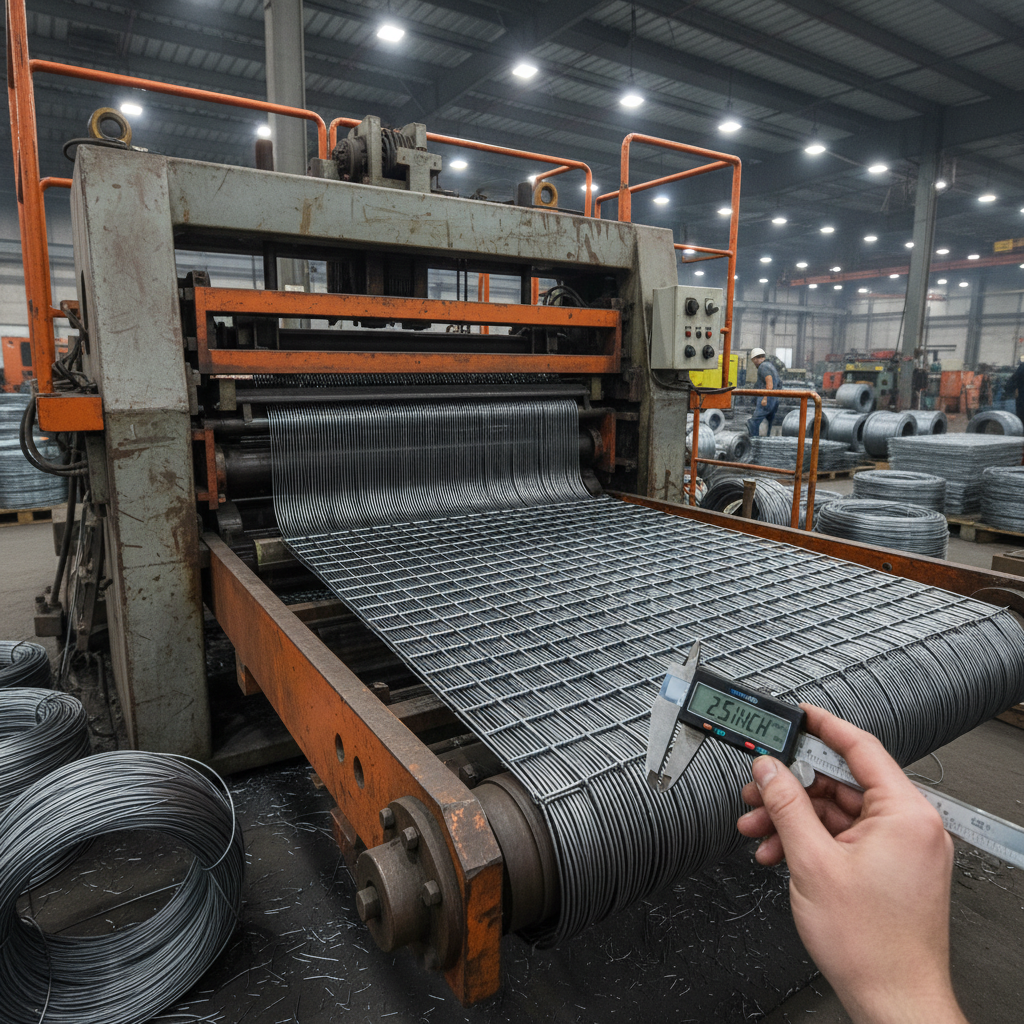
Finally, the connection methods—such as weld strength and clamping systems—ensure the integrity of the entire assembly. High-quality fusion welding prevents the bars from shifting over time, while specialized mounting clips allow for rapid installation and easy replacement of damaged panels without compromising the surrounding structure of the industrial grating.
Comparative Performance Analysis of Grating Types
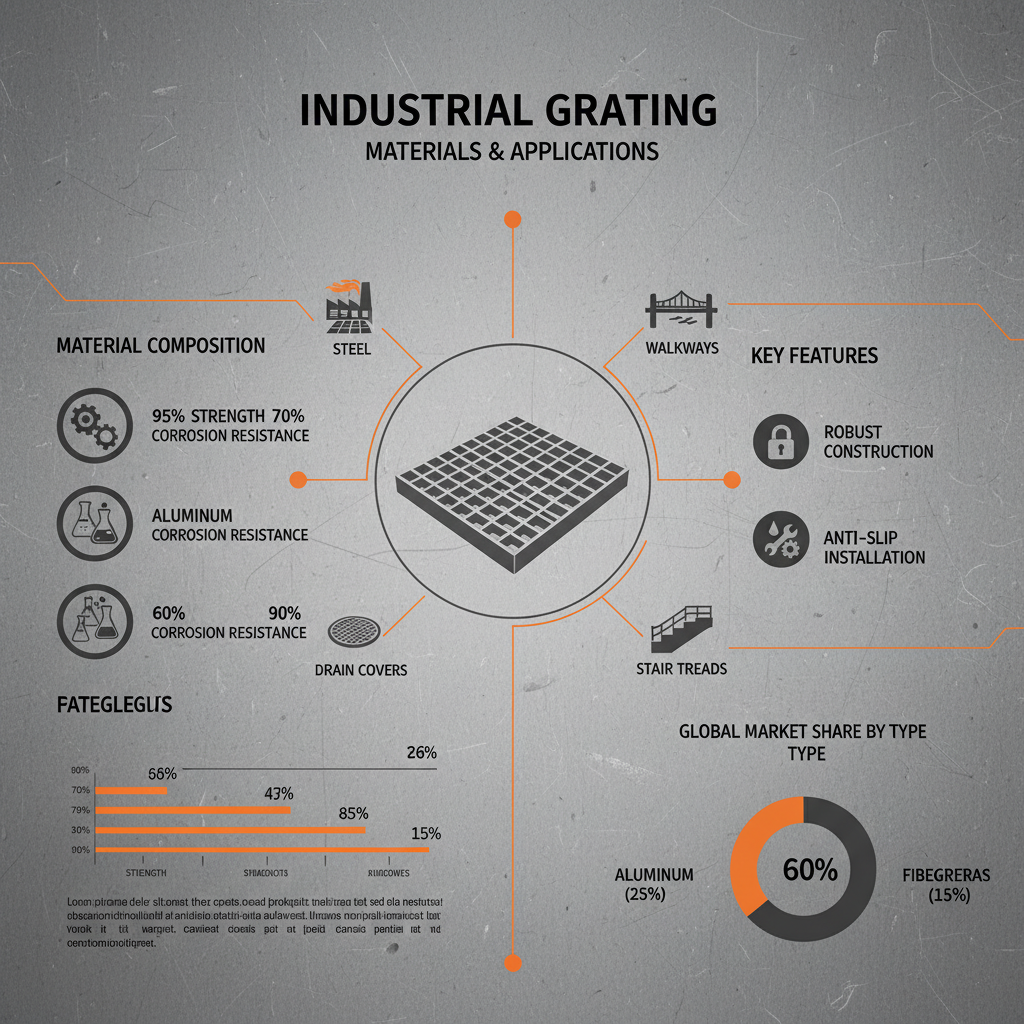
Selecting the right type of industrial grating requires a data-driven approach, comparing metrics such as load capacity, corrosion resistance, and installation speed. While galvanized steel offers the best price-to-strength ratio for general purpose use, stainless steel is the gold standard for purity and longevity in caustic environments.
The following analysis illustrates how different grating materials perform across key industrial KPIs. By analyzing these ratings, facility managers can better understand where to invest in premium materials to avoid the high costs of frequent maintenance and structural failure.
Performance Ratings of Industrial Grating Materials
Real-World Applications and Sector Use Cases
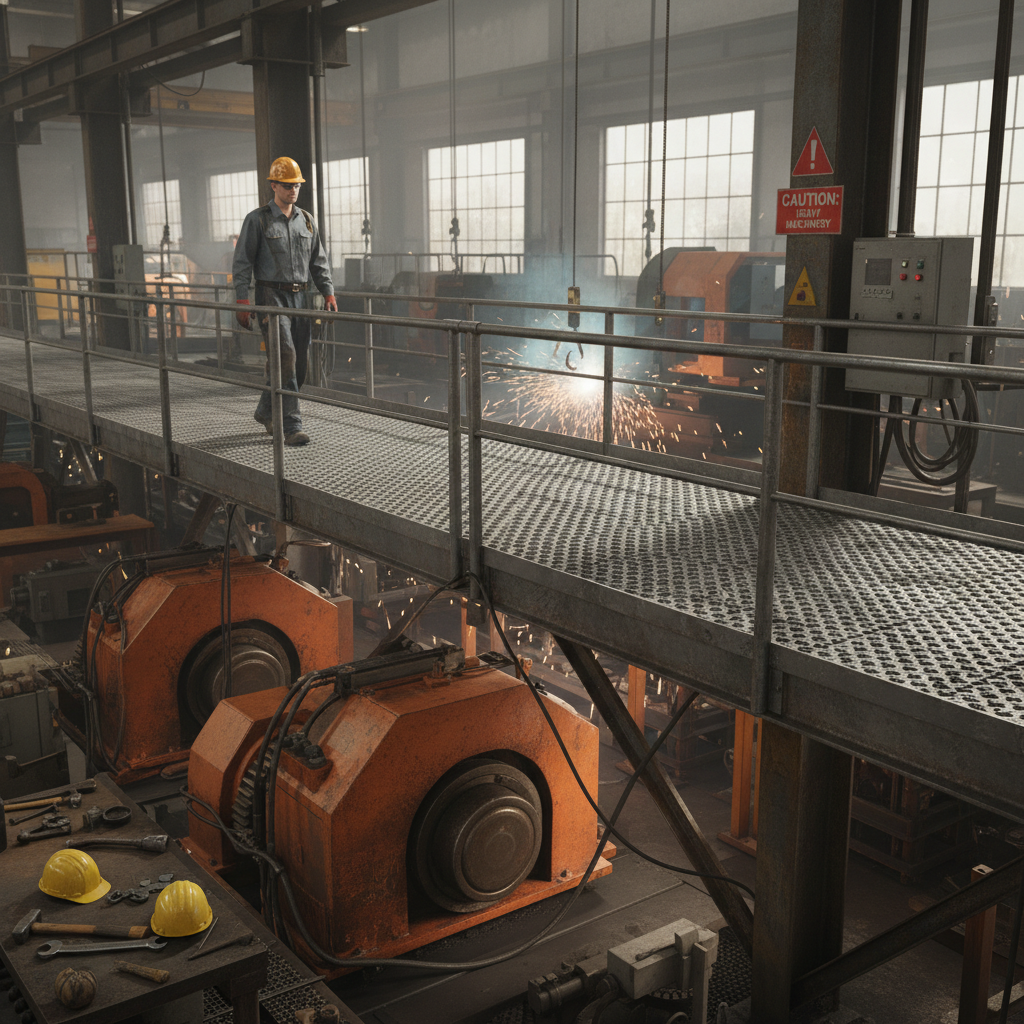
In the energy sector, specifically on offshore oil platforms, industrial grating is the only viable flooring solution due to the constant exposure to saltwater and the need for rapid drainage. The use of high-grade galvanized or duplex stainless steel prevents the platform's walking surfaces from corroding, which is critical for the safety of technicians working in high-risk zones.
Similarly, in wastewater treatment plants, FRP industrial grating is preferred because it does not react with the corrosive gases released during the treatment process. By implementing these specialized grids in catwalks and pump room floors, municipalities can extend the life of their infrastructure and ensure that maintenance crews can operate safely without the risk of structural collapse.
Long-Term Value and Sustainability Impact
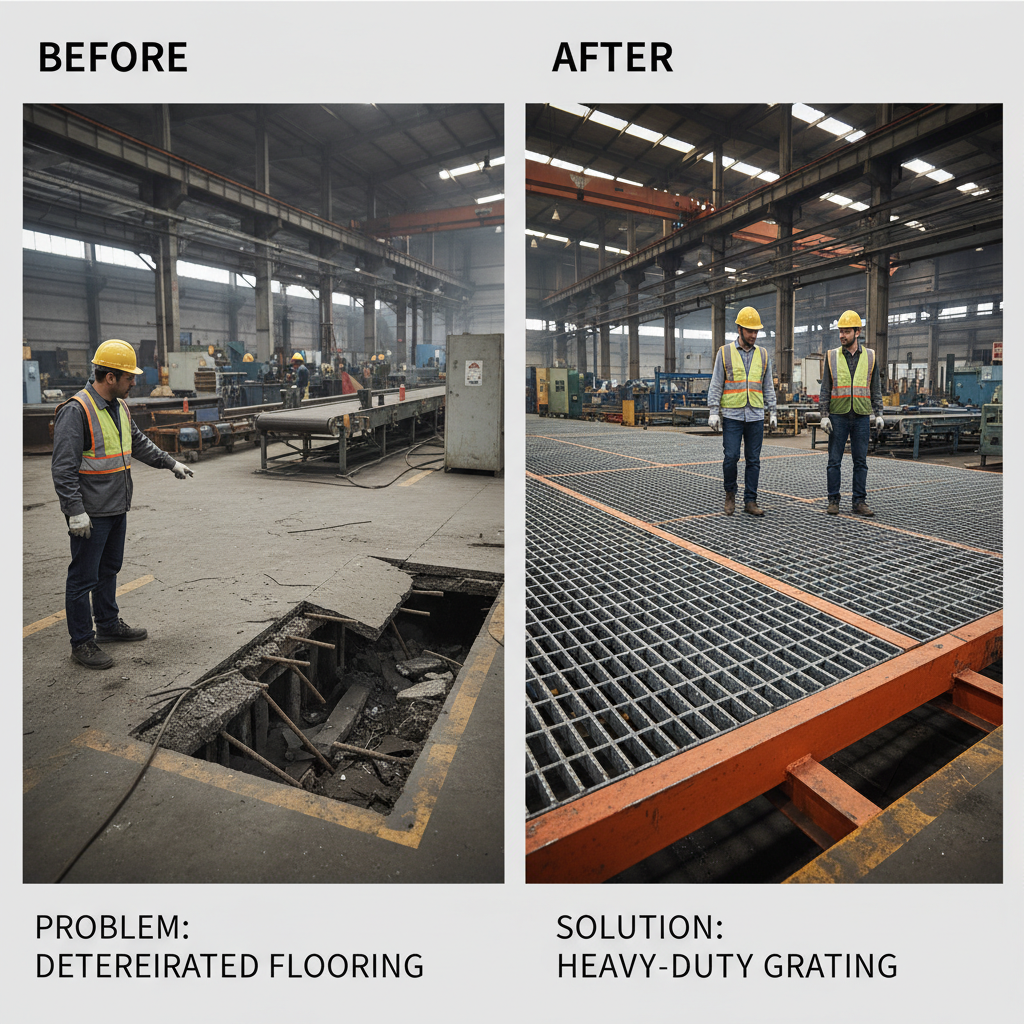
The long-term value of investing in high-quality industrial grating extends beyond simple durability. From a financial perspective, the reduction in "down-time" is the most significant gain. When a floor fails in a production line, the entire operation may stop; however, a well-engineered grating system requires minimal maintenance, ensuring that the facility remains operational 24/7.
From a sustainability angle, the use of recyclable metals like steel and aluminum contributes to a circular economy. Most industrial grating can be melted down and repurposed at the end of its lifecycle, reducing the need for virgin ore mining. Moreover, the efficiency of light penetration through the grating reduces the need for artificial lighting in certain industrial settings, lowering energy consumption.
Ultimately, the psychological impact on the workforce cannot be overlooked. A clean, secure, and professional-grade flooring system instills a sense of trust and dignity among employees. When workers know that their environment is designed with the highest safety standards in mind, productivity increases and the risk of human error decreases.
Future Innovations in Industrial Flooring
The future of industrial grating is being shaped by the integration of smart materials and automated manufacturing. We are seeing the emergence of "smart grids" embedded with sensors that can detect structural fatigue or excessive weight loads in real-time, alerting facility managers to potential failures before they occur. This transition from reactive to predictive maintenance is a hallmark of the Industry 4.0 revolution.
Additionally, the development of nano-coatings is revolutionizing how we protect metal surfaces. New hydrophobic and oleophobic coatings are being applied to industrial grating to make them virtually impervious to oil and water, further enhancing slip resistance and making the cleaning process nearly effortless. This reduces the volume of chemical cleaners required, aligning industrial operations with green energy goals.
As automation and robotics become more prevalent, grating designs are being optimized for robotic movement, ensuring that automated guided vehicles (AGVs) can navigate industrial floors without vibration or traction loss. The synergy between physical infrastructure and digital intelligence will continue to drive the evolution of these essential components.
Comparative Analysis of Modern Industrial Grating Specifications
| Material Type |
Corrosion Resistance |
Load Capacity |
Typical Lifespan (Yrs) |
| Galvanized Steel |
Medium-High |
Very High |
15-25 |
| Stainless Steel (316) |
Extreme |
High |
30-50 |
| FRP Composite |
Extreme |
Medium |
20-30 |
| Aluminum |
Medium |
Medium |
10-20 |
| Carbon Steel |
Low |
Very High |
5-10 |
| Duplex Steel |
Extreme |
Very High |
40-60 |
FAQS
For chemical plants, FRP (Fiber Reinforced Plastic) or Stainless Steel (Grade 316) are the best choices. FRP is completely immune to most acids and alkalis, making it ideal for corrosive environments, while Stainless Steel provides the necessary strength and hygiene for pharmaceutical or high-heat chemical processing.
Determining load capacity involves calculating the "Uniformly Distributed Load" (UDL) and the "Concentrated Load." You must consider the weight of the heaviest piece of equipment that will cross the surface, the number of personnel, and a safety factor (usually 1.5x to 2x) to ensure structural integrity over time.
Yes, hot-dip galvanized steel is specifically designed for outdoor use. The galvanization process creates a metallurgical bond between the zinc and the steel, providing a sacrificial layer that prevents rust even in humid or rainy conditions, making it a cost-effective choice for outdoor walkways.
Absolutely. Many modern architects use industrial grating for "industrial-chic" designs, such as mezzanine levels in lofts, external fire escapes, or decorative walkways in commercial malls. In these cases, aluminum or powder-coated steel is often used for a better aesthetic finish.
In high-corrosion or high-load environments, a quarterly visual inspection is recommended. This includes checking for signs of "zinc peeling," weld cracks, or sagging. In extreme offshore environments, ultrasonic thickness testing is often performed annually to ensure the metal has not thinned dangerously.
Serrated grating has a notched top surface on the load bars, providing significantly higher friction and grip, which is essential for oily or wet floors. Smooth grating is easier to clean and more comfortable for barefoot or light-shoe traffic, but it offers less traction in hazardous conditions.
Conclusion
In summary, industrial grating represents the intersection of safety, engineering, and economic efficiency. By carefully selecting the appropriate material—whether it be the sheer strength of galvanized steel, the resilience of FRP, or the purity of stainless steel—businesses can create environments that protect their most valuable asset: their people. The ability of these systems to manage drainage, ensure grip, and withstand extreme loads makes them an irreplaceable component of modern industrial infrastructure.
Looking forward, the integration of smart sensors and sustainable coatings will continue to push the boundaries of what industrial flooring can achieve. For companies aiming to future-proof their facilities, the transition toward high-performance, low-maintenance grating is not just a technical upgrade but a strategic move toward operational excellence. To explore the best solutions for your specific needs, visit our website: www.chengsenwiremesh.com.




.png "E-mail")
