Telephone

Telephone

+86 15733154345

E-mail

E-mail Address

sales@chengsenchina.com

Sat

Mon - Sat

7:00AM to 9:00PM

0%

Table of Contents

You know, I've been running around construction sites all year, and honestly, the biggest trend I'm seeing is everyone wanting things faster. Prefabrication, modular construction… it’s all about getting stuff done quicker, cheaper. It’s not just about saving money, it’s about labor shortages. Finding good crews is getting harder and harder. And let me tell you, speed often comes at the cost of… well, everything.

Have you noticed how everyone’s jumping on the ‘smart’ bandwagon? Smart sensors, smart materials… it sounds good on paper, but on the ground, it usually means more points of failure. I was at that new data center project in Qingdao last month and… forget it, I won’t mention it. Too many headaches.

Anyway, I think what people underestimate is the sheer physicality of this work. It's not just about CAD drawings and simulations. It's about guys lugging heavy stuff around in the heat, dealing with dust and grime, and trying to make things fit when the tolerances are off by a millimeter.
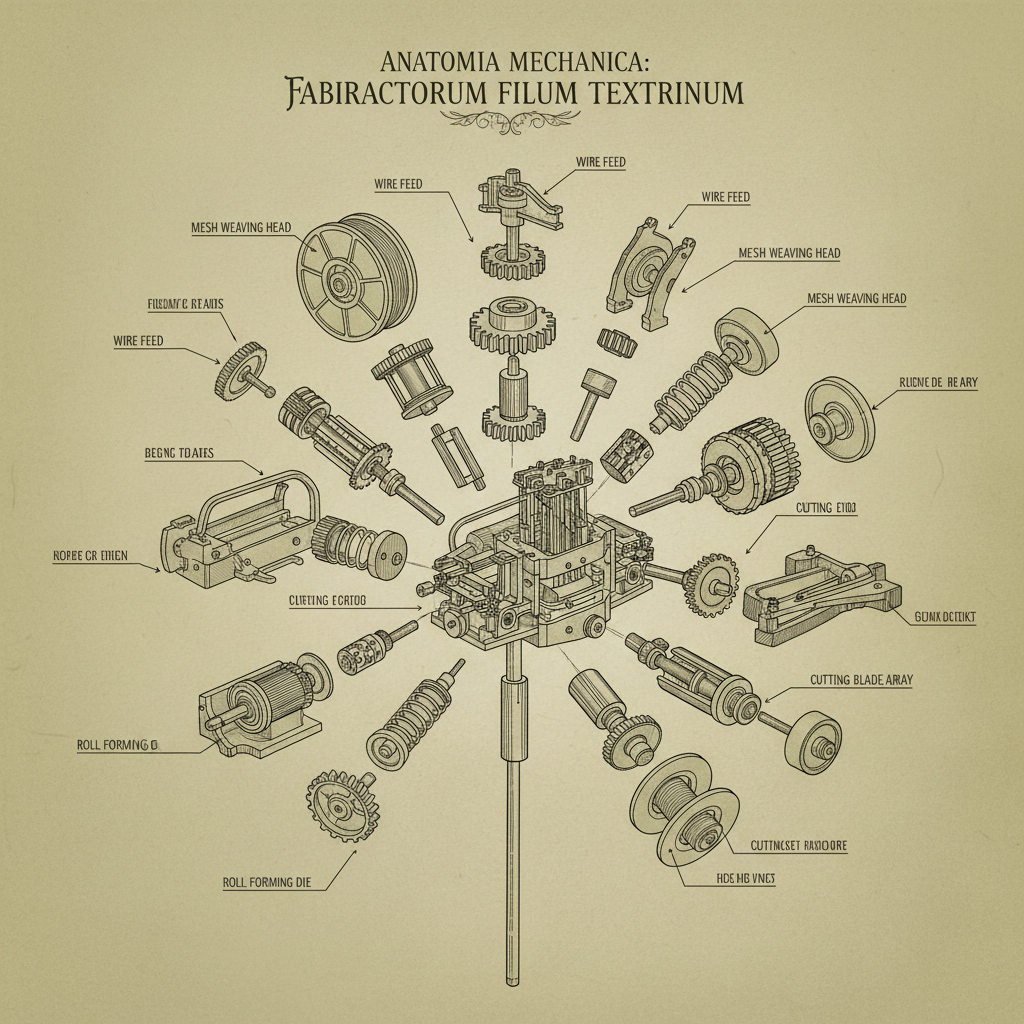
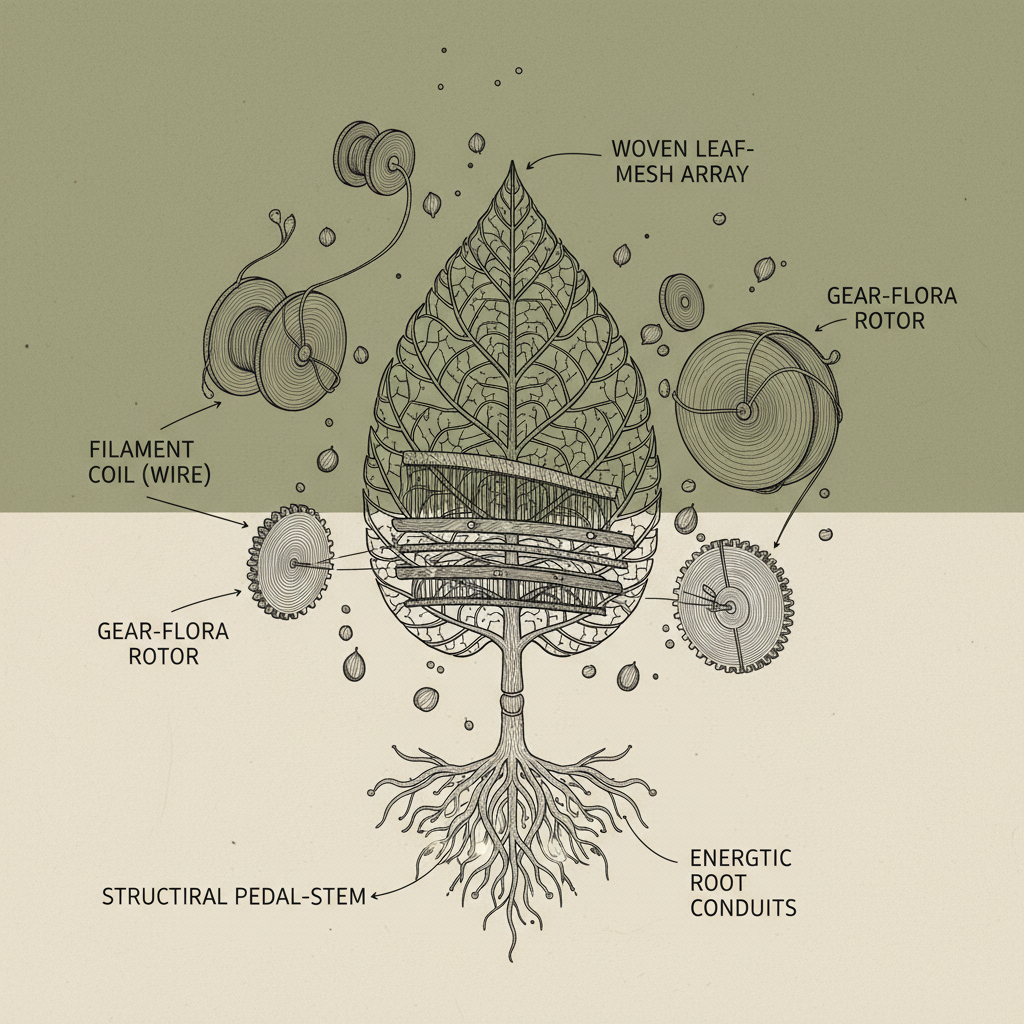
Navigating the Landscape of Modern Wire Mesh Fabricators and Applications

The Current Landscape of wire mesh fabricators

Navigating the Landscape of Modern Wire Mesh Fabricators and Applications

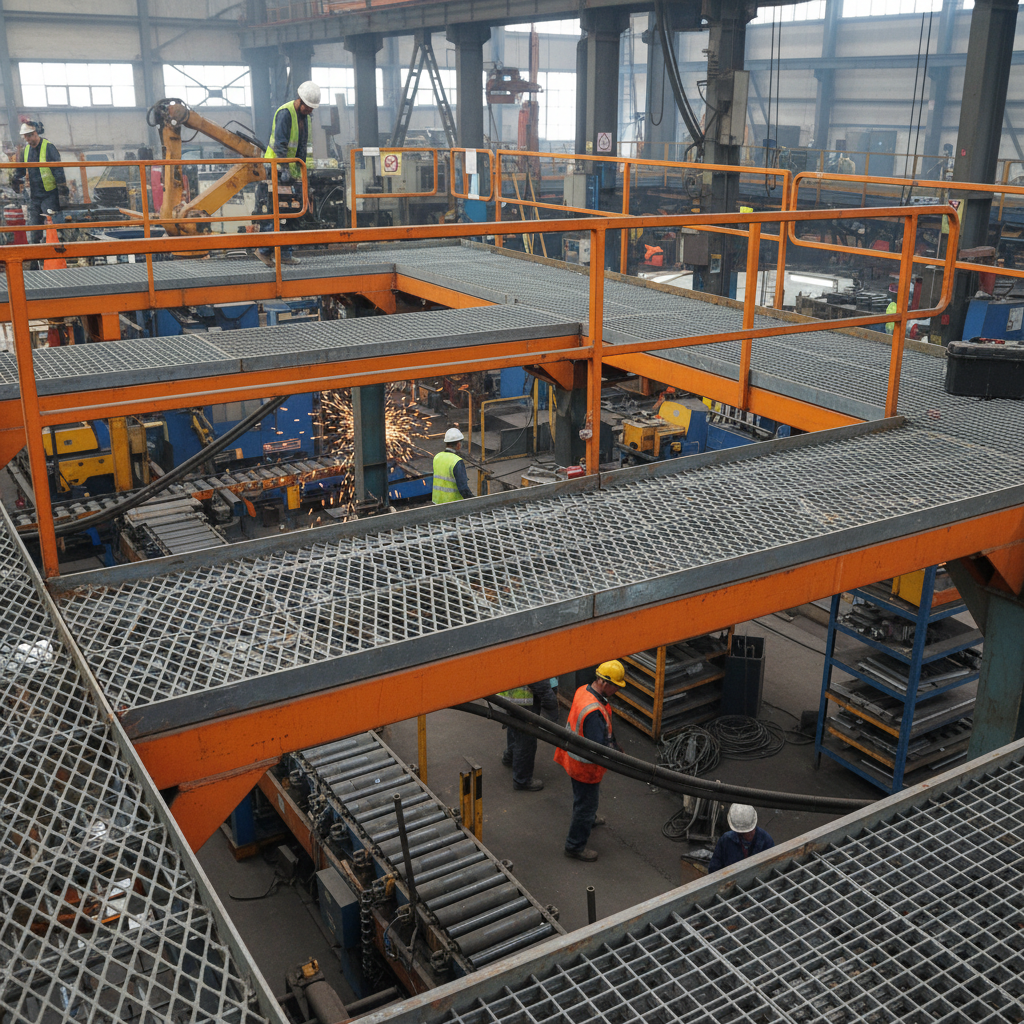
To be honest, wire mesh fabricators have been around forever, right? But the demand’s exploded recently, especially with everything going towards modular construction and pre-fab. It’s not just building stuff, it’s also reinforcing existing structures, creating temporary barriers… a huge range of applications. I encountered this at a steel factory last time, and they're switching almost entirely to pre-fabricated mesh panels for safety railing. Saves them a fortune in welding and installation time.

Strangely enough, even with all the automation, the skill of a good mesh fabricator is still incredibly valuable. Getting the bends right, ensuring consistent weave density… that takes a practiced eye.

Common Pitfalls in wire mesh fabricators Design

One thing I've seen time and time again? People underestimating the load-bearing capacity. They see "wire mesh" and think it’s lightweight, weak. But it’s all about the gauge, the weave pattern, and the supporting structure. I've had engineers design things that just… buckle. It's embarrassing, really. They get caught up in the aesthetics and forget about basic physics.

Another big one is corrosion. Especially in coastal areas or with certain chemicals. You have to specify the right coating – galvanized, stainless steel, epoxy-coated… it makes a huge difference. And it’s not just the mesh itself; it’s the connections too. Welded joints are prone to rust, so you need to think about using mechanical fasteners.

And finally, neglecting edge protection. Those cut wires can be brutal to handle. Seriously, always use edge banding or folding.

Materials: The Nitty-Gritty of wire mesh fabricators

Okay, so you’ve got your standard carbon steel, which is cheap and strong but rusts like crazy. Stainless steel is the gold standard – durable, corrosion-resistant, but pricey. Then there’s galvanized steel, which is a good compromise. The smell of hot-dip galvanizing... you never forget it. It's a kind of metallic, chemical odor that sticks with you all day.

But it’s not just the metal itself. The coating is crucial. Powder coating is good for aesthetics and adds a layer of protection. Epoxy coatings are tougher, better for harsh environments. I was inspecting a shipment of mesh for a chemical plant last week, and the epoxy coating felt… tacky. Sent the whole thing back. You can tell a bad coating just by touching it.

And don’t underestimate the wire itself. The draw of the wire, the consistency of the diameter… it all matters. Cheap wire can be brittle and prone to snapping. You want something with good ductility.

Real-World Testing of wire mesh fabricators

Look, lab tests are fine, but they don’t tell the whole story. I want to see this stuff stressed in real-world conditions. We’ve rigged up tests where we suspend weights from mesh panels, simulating snow loads or wind pressure. We’ve even buried mesh in the ground to test its corrosion resistance.

The best test, though, is just watching the workers use it. How easily does it bend? How does it hold up to abrasion? Do the edges fray? You learn a lot just by observing.

wire mesh fabricators Performance Metrics


How Users Actually Interact with wire mesh fabricators

You know, what engineers think people will do with this stuff and what they actually do are often two different things. We designed a mesh panel system for temporary fencing, assuming it would be used with these fancy clamping systems. Turns out, most guys were just zip-tying it to whatever was handy.

And another thing… they're always cutting it, bending it, modifying it on-site. They rarely use it exactly as we intended. That’s why flexibility and ease of manipulation are so important.

Advantages and Disadvantages of wire mesh fabricators

The advantages are obvious: strength, durability, cost-effectiveness… It’s versatile. You can use it for reinforcement, filtration, security… It’s a workhorse. But it's heavy. Moving big rolls of mesh around is a pain.

And it can be surprisingly difficult to work with. Cutting it cleanly, bending it accurately… takes skill. It’s not as forgiving as some other materials. It can also rust, as we mentioned.

But overall, the benefits outweigh the drawbacks, especially if you choose the right material and coating.

Customization Capabilities of wire mesh fabricators

Oh, absolutely. We do a ton of custom work. A customer in Shenzhen last month, a small boss making smart home devices, insisted on changing the interface to , which meant completely retooling the mesh panel mounting system. It added two weeks to the lead time and cost him a fortune, but he was adamant. He said it was "essential for brand consistency." Go figure.

We can adjust the mesh size, the wire gauge, the coating, the dimensions… pretty much anything you can think of. We’ve done everything from tiny mesh screens for ventilation to massive panels for retaining walls.

The trick is finding the right balance between customization and cost-effectiveness. Too much customization, and it becomes prohibitively expensive.

Key Factors Influencing wire mesh fabricators Customization

Mesh Size (Aperture) Wire Gauge (Thickness) Coating Type Lead Time Impact
Small (High Density) Low (Thin Wire) Galvanized 1-2 Weeks
Large (Coarse Mesh) High (Thick Wire) Stainless Steel 2-3 Weeks
Variable (Custom Pattern) Medium Epoxy Coated 3-4 Weeks
Standard Standard Powder Coated 1 Week
Specialized Weave High None (Bare Metal) 4+ Weeks
Custom Cut Shapes Variable Variable 2-4 Weeks

FAQS

What's the typical lifespan of wire mesh fabricators used in outdoor construction?

That really depends on the environment and the coating. Galvanized mesh can last 10-15 years with minimal maintenance, but in harsh coastal conditions, it might be closer to 5-7. Stainless steel, of course, will last significantly longer – potentially decades – but it comes at a premium. Proper installation and regular inspections are key to maximizing lifespan.

How do I determine the correct wire gauge for a specific application?

You need to consider the load-bearing requirements, the mesh opening size, and the material. Thicker wire (lower gauge number) is stronger but more expensive. Smaller mesh openings provide more support but can restrict airflow or visibility. I always recommend consulting with an engineer or a reputable fabricator to get a precise recommendation. Don’t just guess!

What are the best ways to prevent corrosion in wire mesh fabricators?

Choosing the right coating is the most important thing. Stainless steel is the most corrosion-resistant option, but galvanizing or epoxy coating can also be effective. Avoid using dissimilar metals in contact with each other, as this can accelerate corrosion. And be sure to inspect the mesh regularly for signs of rust and address any issues promptly.

Can wire mesh fabricators be recycled?

Yes, absolutely! Steel mesh is highly recyclable. Most scrap metal yards will accept it. Recycling helps reduce waste and conserve resources. It's a good practice, and we actively encourage our customers to recycle any scrap mesh they have.

What are the safety precautions when handling wire mesh fabricators?

Wear gloves! Those cut wires can be razor sharp. Eye protection is also essential, especially when cutting or bending the mesh. And be careful when lifting heavy rolls – use proper lifting techniques or get help. Seriously, I've seen guys get nasty cuts from this stuff.

What’s the difference between woven and welded wire mesh fabricators?

Woven mesh is generally stronger and more flexible, but also more expensive. Welded mesh is more rigid and can be produced in larger panels, making it ideal for fencing or security applications. The choice depends on the specific requirements of the project. Sometimes, you need the strength of woven; other times, the cost-effectiveness of welded is the better option.

Conclusion

Ultimately, wire mesh fabricators are a versatile and essential material in modern construction. From reinforcing concrete to creating secure enclosures, it plays a critical role in countless projects. The key is understanding the different materials, coatings, and manufacturing processes, and choosing the right solution for the job.

And remember, at the end of the day, whether this thing works or not, the worker will know the moment he tightens the screw. It’s about practicality, durability, and getting the job done right. If you need a quote or have a specific project in mind, visit us at wire mesh fabricators.

Daniel Wilson

Daniel Wilson

Daniel Wilson is a Quality Control Supervisor at Shijiazhuang Chengsen Trading Co., Ltd. He oversees all aspects of the steel grating production process, ensuring that every product meets stringent quality standards, including China's YB/T4001.1-2007 and American ANSI/NAAMM standards. Daniel has over 5 years of experience in material science and welding
Previous Expert Insights on Wire Mesh Manufacturers in China and Industry Trends

Contact Us

WELCOME TO OUR COMPANY!

Thank you for your interest in our services! If you have any questions or wousld like to book a service, please don’t hesitate to contact us. Our team is dedicated to providing you with the highest level of service and support, and we are committed to working with you to make your event a success.

Email

Service Email

sales@chengsenchina.com

Phone

Service Phone

+86 15733154345

    • *
    • *
  • *
  • *

Contact Us

  • mesh wire dimensions
  • purpose of wire gauze
  • wire mesh pdf
  • wire mesh fabricators
Copyright © 2026 SHIJIAZHUANG CHENGSEN TRADING CO., LTD. All Rights Reserved. Sitemap | Privacy Policy | Top Search | Top Blog | Global Service